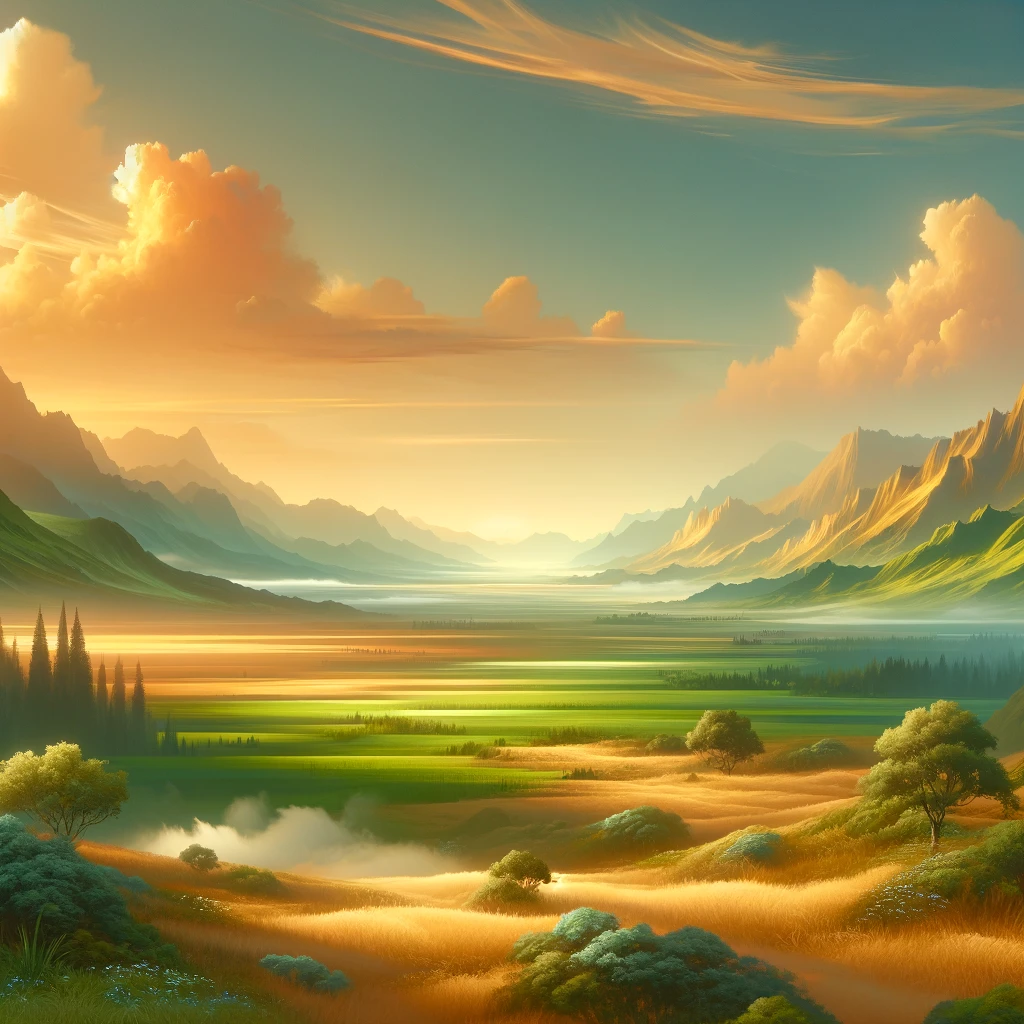
Culture:
The people of Uhra hold a common belief that one's worth is measured not by the station of their birth but by their dedication to their craft and their willingness to shape their own destiny. Laziness and a passive approach to life are frowned upon, as they are seen as a squandering of one's potential. This ethos permeates every facet of Uhra's society, where even the simplest roles are dignified through diligence and innovation.
The country's celebrates those who strive to excel and innovate, regardless of their field. Academics and scholars are revered for their contributions to knowledge and magical advancements, but so too are the artisans, merchants, and innkeepers who dedicate themselves to their trades with equal fervor. For instance, a humble innkeeper who continuously experiments and perfects their brews is held in high esteem, embodying the spirit of progress that defines Uhra. This culture of respect for hard work fosters a community where everyone, from the loftiest mage to the local craftsman, is driven by a shared ambition to contribute to the country's legacy.
Trade:
Despite the ongoing war, Uhra has maintained its status as a bastion of progress and prosperity, largely due to its vibrant economy and thriving trade. The conflict with Gohtza, while impactful, has been mitigated by a mutual agreement to spare the capitals from direct assault. As a result, Mahabra, Uhra's crown jewel, has become a sanctuary for merchants, artists, and intellectuals alike. This bustling metropolis serves as a safe haven for international traders and has emerged as a pivotal trade hub. The influx of goods, ideas, and resources into Mahabra not only fuels Uhra's insatiable pursuit of knowledge and cultural advancement but also provides critical financial support for the war effort. The city's dynamic marketplaces and innovative spirit have ensured that, even in times of conflict, Uhra remains economically resilient and forward-moving.
Goverment:
For the last 700 years, the kingdom of Uhra has been under the steadfast rule of a single monarchial family. This lineage, marked by a succession of kings and queens, has guided the country through centuries of history, shaping its traditions, culture, and political landscape. The recent passing of King Thalrion, a revered figure in this long line of rulers, has marked the end of an era for Uhra. In the wake of his death, his son, Prince Tonken, has made the historic decision to transition the kingdom into a democracy, heralding a new chapter in Uhra's storied past and setting the stage for a transformative future.
The recent shift from monarchy to democracy has brought about an exciting and transformative period. The once-regal palace, now symbolic of change, stands as a testament to the country's newfound political direction. Citizens have slowly started to engage passionately in political discussions and debates, adapting to the challenges and opportunities presented by this shift in governance. While a few nostalgically recall the days of monarchic rule, the majority embrace the democratic process, reveling in the newfound ability to shape the city's and country's future. This political awakening has infused Uhra with a vibrant, participatory energy, making it a model of democratic governance in a land where magic and tradition intertwine.
Religion:
Uhra stands as a testament to religious inclusivity and diversity, priding itself on its openness to the worship of all deities, a principle deeply embedded in its cultural and societal ethos. This inclusive approach extends even to the veneration of deities primarily worshipped by rival nations, such as the deity revered by their neighboring country, Gohtza. Despite historical rivalries, Uhra has embraced the worship of Gohtza's primary god, Calithor, demonstrating a commitment to religious freedom and harmony that transcends political boundaries.
Central to Uhra's pantheon is Thial, the god ruling over the domains of Culture and Trade. Thial's teachings are deeply interwoven with Uhra's values, emphasizing the virtues of hard work, dedication, and the relentless pursuit of one's passions.
The War:
The protracted war between Uhra and Gohtza, now spanning over two and a half centuries, has deeply embedded itself into the everyday life of the people of Uhra, to the extent that the realities of conflict have become almost mundane. Battles and skirmishes are predominantly confined to the outskirts of the two countries, where fortified borders and contested territories bear the scars of endless confrontations. This geographical distance from the heartlands allows a semblance of normalcy to persist within the core regions of Uhra, where life buzzes with the routine activities of trade, culture, and governance, albeit under the ever-present shadow of war.
For the average citizen of Uhra, the war is a constant backdrop, a fixture of daily existence rather than an immediate threat to their personal safety. The sounds of distant artillery or the sight of troops marching to the front lines are as commonplace as the changing seasons. Children grow up playing games that mimic the battles of their forebears, and families weave tales of ancestral heroism into the fabric of their lineage. The war's persistence has led to a society where military service is honored, and where strategic considerations influence everything from agricultural planning to educational curricula.
Yet, despite its pervasiveness, the conflict with Gohtza has settled into a pattern that many Uhrans find tediously predictable. The periodic ebb and flow of territorial gains and losses, the cyclical nature of peace talks that invariably collapse, and the steady stream of propaganda that paints the enemy in stark, monstrous terms—all contribute to a war weariness that permeates Uhra's collective consciousness. The ongoing war, though horrific in its toll on human life and resources, has become a standard against which all other aspects of Uhran life are measured, a relentless drumbeat that underpins the rhythm of daily existence.
Against this backdrop of normalized conflict, the people of Uhra are indoctrinated with a deep-seated animosity towards Gohtza. The rival kingdom is depicted as the antithesis of Uhran values, a land ruled by barbarism and devoid of the cultural and moral sophistication that Uhrans pride themselves on. This narrative, reinforced by generations of enmity and the distorting lens of propaganda, paints Gohtza as a place where harsh rule and a lack of empathy for life's finer aspects prevail. In this climate of entrenched warfare and deep-rooted prejudice, the war against Gohtza has become more than a military endeavor; it has evolved into a defining element of Uhran identity, shaping the nation's psyche and influencing its path forward. Yet, beneath the surface, there exists a growing undercurrent of those who question the sustainability and morality of perpetual war, suggesting that the future may yet hold the possibility of change.