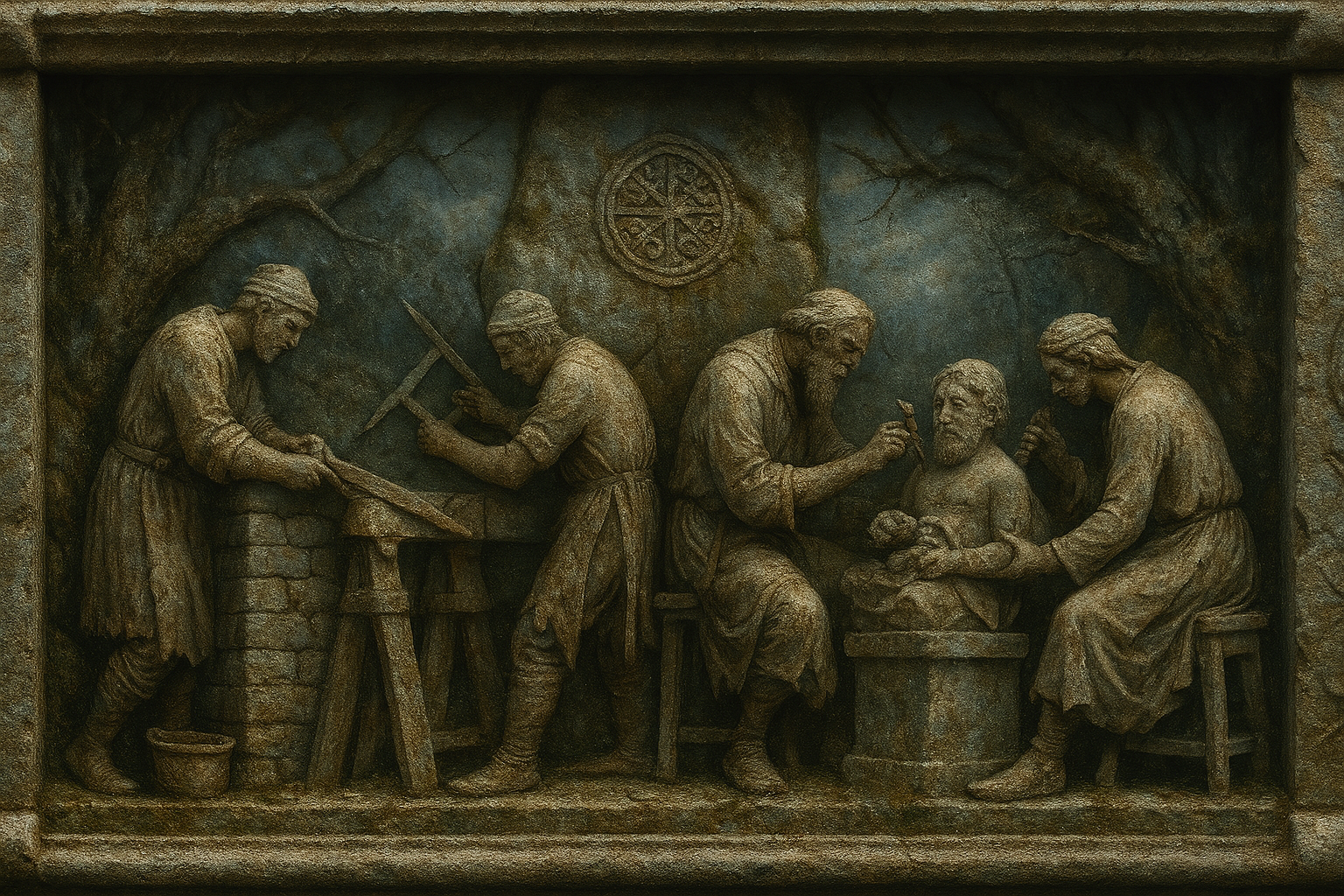
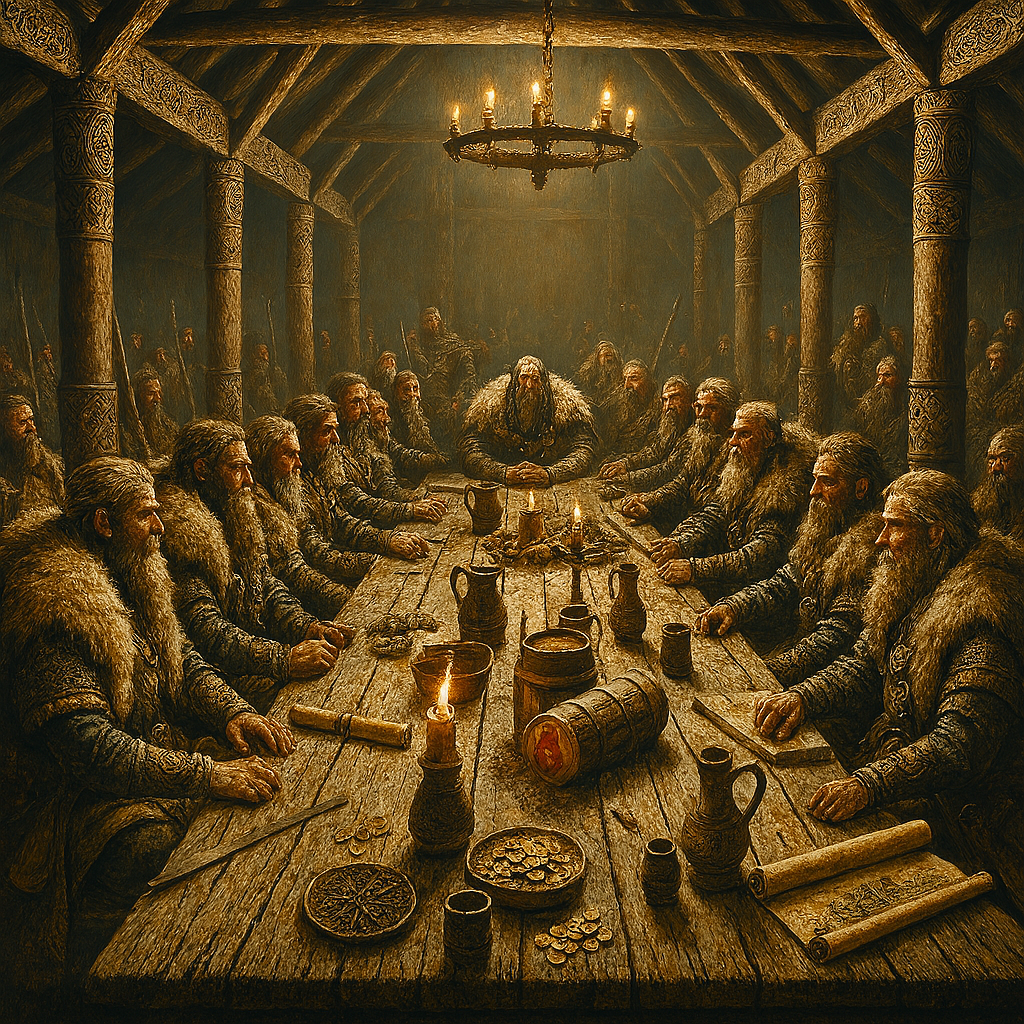
The following is an alphabetical list and description of the guilded occupations that exist in most of western Lythia. Guild badges are also shown. The guilds tend to cover large groups of related businesses. Most guilds are urban, some are rural, a few are both. Some guilds may be weak and have loosely defined monopolies, but most are strong and have rigid monopolies. In states with a dominant Ivinian culture, such as Harbaal, Orbaal, or Palithane, and among the Khuzdul, the functions of guilds are performed by clans, equally monopolistic but simpler in organization.
Apothecaries' GuildApothecaries have a monopoly on the gathering, preparation, and sale of herbs and medicines for profit. Most freemasters operate shops where they purchase herbs from itinerant journeymen and other professional gatherers for resale to the general public as potions, infusions, syrups, tinctures, creams, and other remedies. They also sell to physicians, who are not legally permitted to prepare their own concoctions, and to members of the Guild of Arcane Lore. Most herb prices range from 3d to 60d per ounce depending on rarity.
Badge: A pomegranate proper. The color of the background varies but is usually dark green.
Guild of Arcane Lore
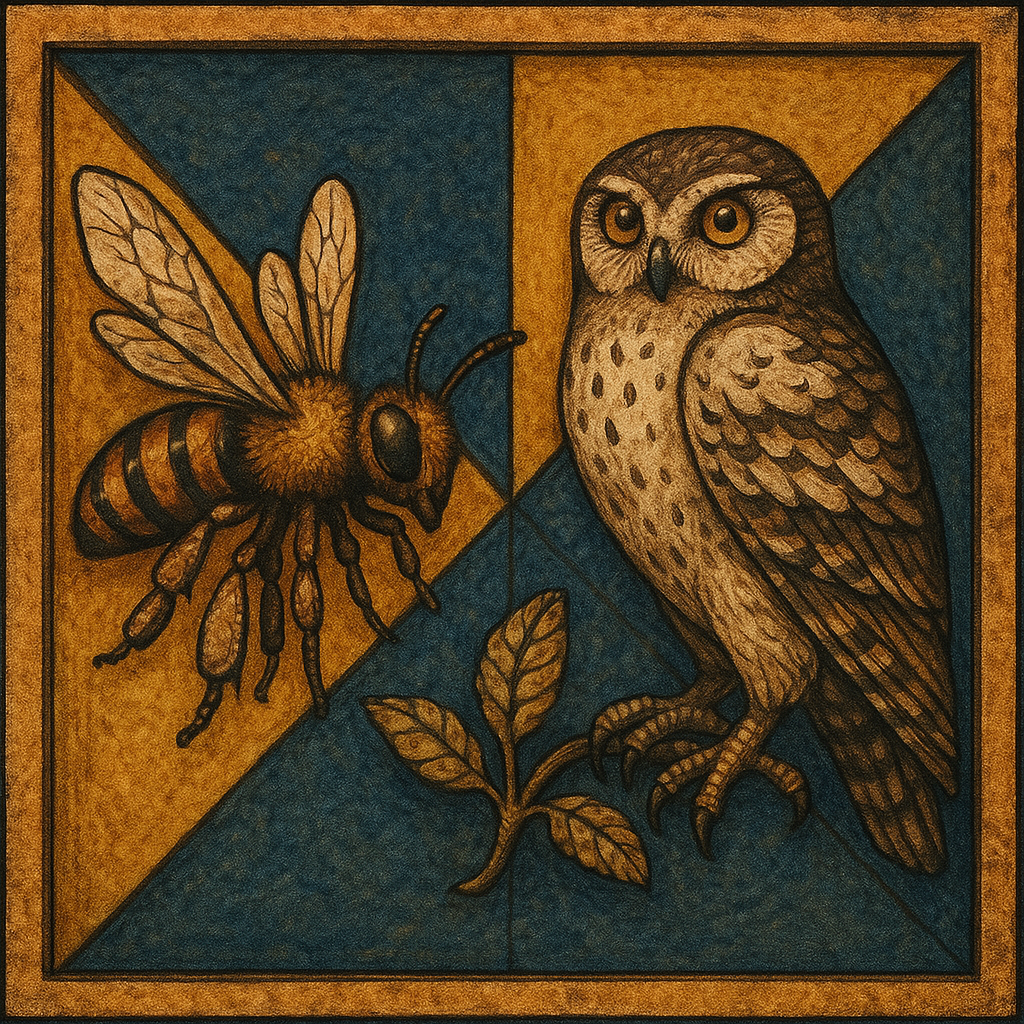 This guild is a loose association of scholars whose studies and practices involve esoteric knowledge. Some arcanists practice magic and some are students in obscure but mundane fields. The distinction is often obscure. Alchemists, astrologers, and sages are represented by this guild, as are Shek-Pvar. Alchemists often maintain membership in both the Guild of Arcane Lore and that of apothecaries.
The guild grants no franchises and there is no fixed structure. Qualification for membership is discretionary and varies greatly between regions. Structure is a matter of local custom and expedience. There may be apprentices and journeymen but such is at the discretion of individual masters, chantries, or chapters. In general, those who practice the hidden arts are far too involved in their studies to take notice of outsiders. This is a weak guild with some very powerful members.
Badge: Party per saltire, gold and purpure, a bee volant and an owl close both proper.
Chandler's Guild
Chandlers have a monopoly on the production and sale (for profit) of candles, lamps, and the like. Some husband their own colonies of bees for their wax, while others purchase their supply from nearby manors. Many chandlers supplement this activity by provisioning ships or caravans. Others operate a kind of “general store,” offering for resale a variety of useful wares produced by other guilds, for a markup of 10 to 50%. The service provides one-stop shopping for wealthier patrons.
Badge: The chandlers use three candles as their symbol. Exact coloring varies considerably.
Charcoalers' Guild
The charcoalers’ guild is one of the weaker guilds on Hârn. Primarily a rural guild, its members deal in the sale of charcoal, coal, and, in towns only, firewood. Coal is rare on Hârn and quite expensive, but is used by some wealthy Hârnians to heat their homes. The major customers for charcoalers are metalsmiths, weaponcrafters, and miners.
Badge: Purpure, a phoenix gold and tenne.
Clothiers' Guild
 Clothiers belong to one of the largest guilds. Most of the population makes its own rags, but the wealthy middle class and the nobility will count a clothier’s products among their status symbols. Some noble households even have bonded master clothiers in their employ.
A master clothier knows the arts of the tailor, glover, draper, and haberdasher, although some masters specialize. Other specialties include those of dyer, weaver, and furrier. A typical clothier’s establishment may employ dozens of journeymen, apprentices, and bonded masters. Some clothiers also exploit the labor of a network of unguilded spinners and weavers in their town or on nearby manors.
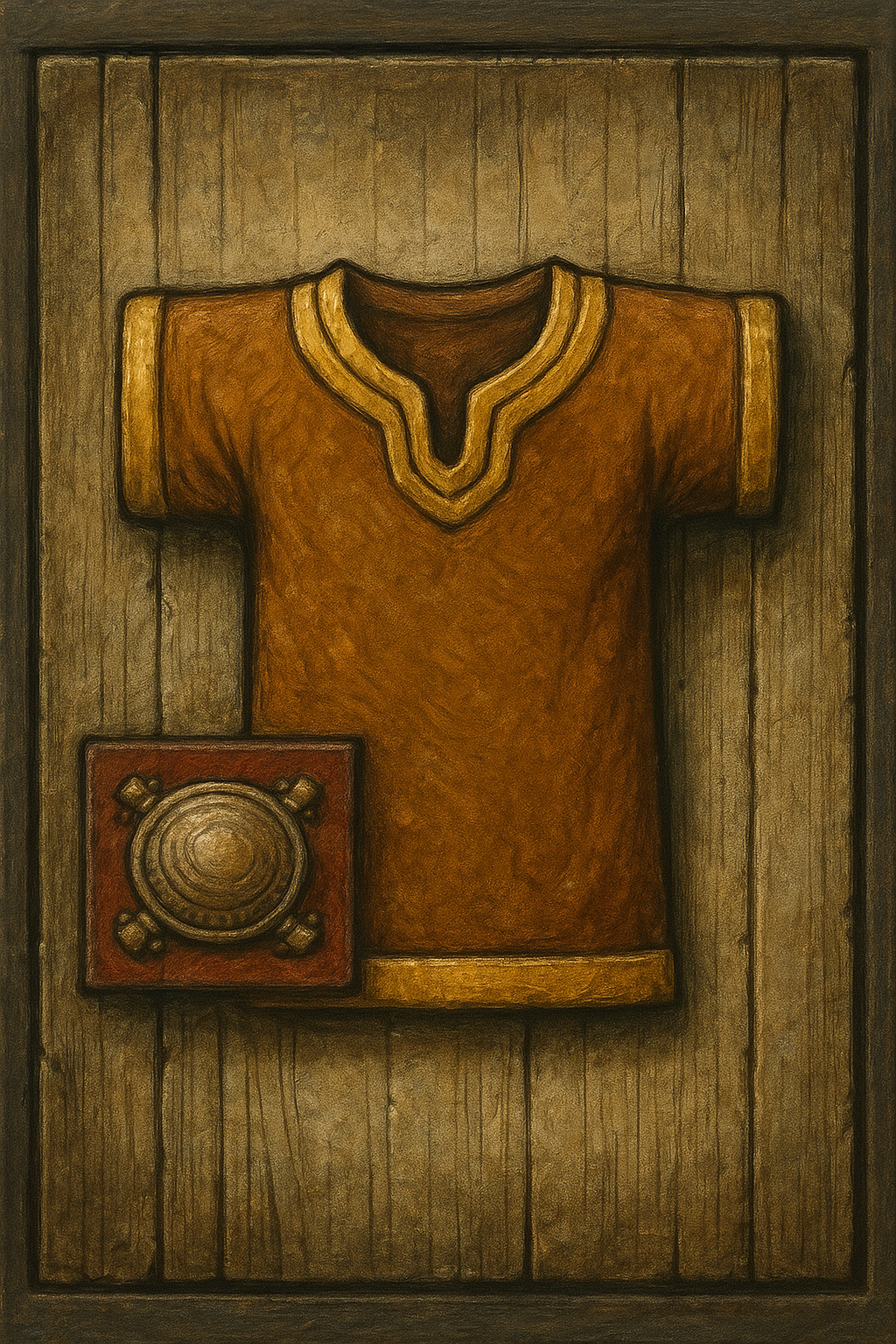
Badge: Gules, a woolsack proper. Note that master clothiers usually place this symbol in the corner of a sign indicating their specialty. The example shown is a tailor.
Courtesans’ Guild
 Members of this guild should not be thought of as common prostitutes. They offer a wide range of erotic and other services at their franchises, which bear elegant names such as the Perfumed World of Floating Pleasure or Golden Heaven of the Seven Joys. These houses are far above the common brothel in decorum and luxury.
The guild acquires most of its attractive teenage girls through brokers from their impoverished fathers; this may be deemed a better fate than they would otherwise enjoy. The girls will receive instruction in the erotic arts in return for a bonded contract to work for a specific franchised house for seven years. After this, a courtesan may retire, leave to join another house, or remain with her present house as a partner.
Courtesans are always expensive. Depending on the house, common services range from 12d to 36d per visit, and the great ladies of the profession command fees exceeding 100d. Most courtesans retire before age 30, usually with a tidy nest-egg. Some marry former clients or enter the church of Halea, their patron deity. A few will establish their own houses, either by purchase or inheritance.
The guild is most prevalent in Azeryan and certain parts of Hârn, but there are houses scattered throughout most regions, even where its presence is officially disapproved of. Although most of the guild’s members are women, male courtesans are not unheard of.
Badge: Vert, a butterfly proper. The exact coloring of the butterfly varies. In areas where the activities of the guild are frowned upon, this symbol may not be openly displayed.
Embalmers’ Guild
Embalmers have a monopoly on the preparation for remuneration of corpses for burial. Some temples and noble houses bury their own dead, but they often employ a master embalmer to actually do the work. Embalmers are skilled in all the prevalent local arts and customs and can discreetly make whatever arrangements are required. The embalmer’s principal market is with the upper and middle classes; most simplefolk are cremated or buried in simple or unmarked graves.
Badge: Gold, a cubit arm habited gules and proper.
Glassworkers’ Guild
Since the methods of manufacture are not widely known, glassworkers are sometimes presumed to use magic. The Sindarin of Hârn are most renowned in the arts. Glass windows are far too expensive for most people, but glassworkers also produce pottery and art objects in addition to plain and stained glass windows.
Badge: Vert, a glass goblet proper.
College of Harpers
 Harpers are accomplished minstrels, bards, or skalds. The guild has a monopoly on the production and sale of musical instruments, but not on singing or making music in general, even when done for a profit. Apprentices are taught the arts of making instruments, most commonly the drum, flute, harp, horn, and lute. Some masters specialize in the crafting of fine musical instruments and truly great harpers can make instruments of seemingly awesome enchantment.
The college sponsors a select number of Harpers’ Halls throughout western Lythia. Admission to a hall is by audition. If accepted, an apprentice can look forward to 4–8 years of intensive study and training, followed by a dozen or more years as wandering bard, before he or she will acquire the elite status of Master Harper.
Harpers play an important role in the conveyance of news, tales, legends, and oral histories. In especially great demand are minstrels who have come from afar, bringing hardly credible songs and tales of strange folk and places. The skalds of Ivinia are especially noted for their epic tales of heroes and villains, and the Sindarin, while they rarely play for outsiders, are beloved for their beautiful and often unfathomable songs.
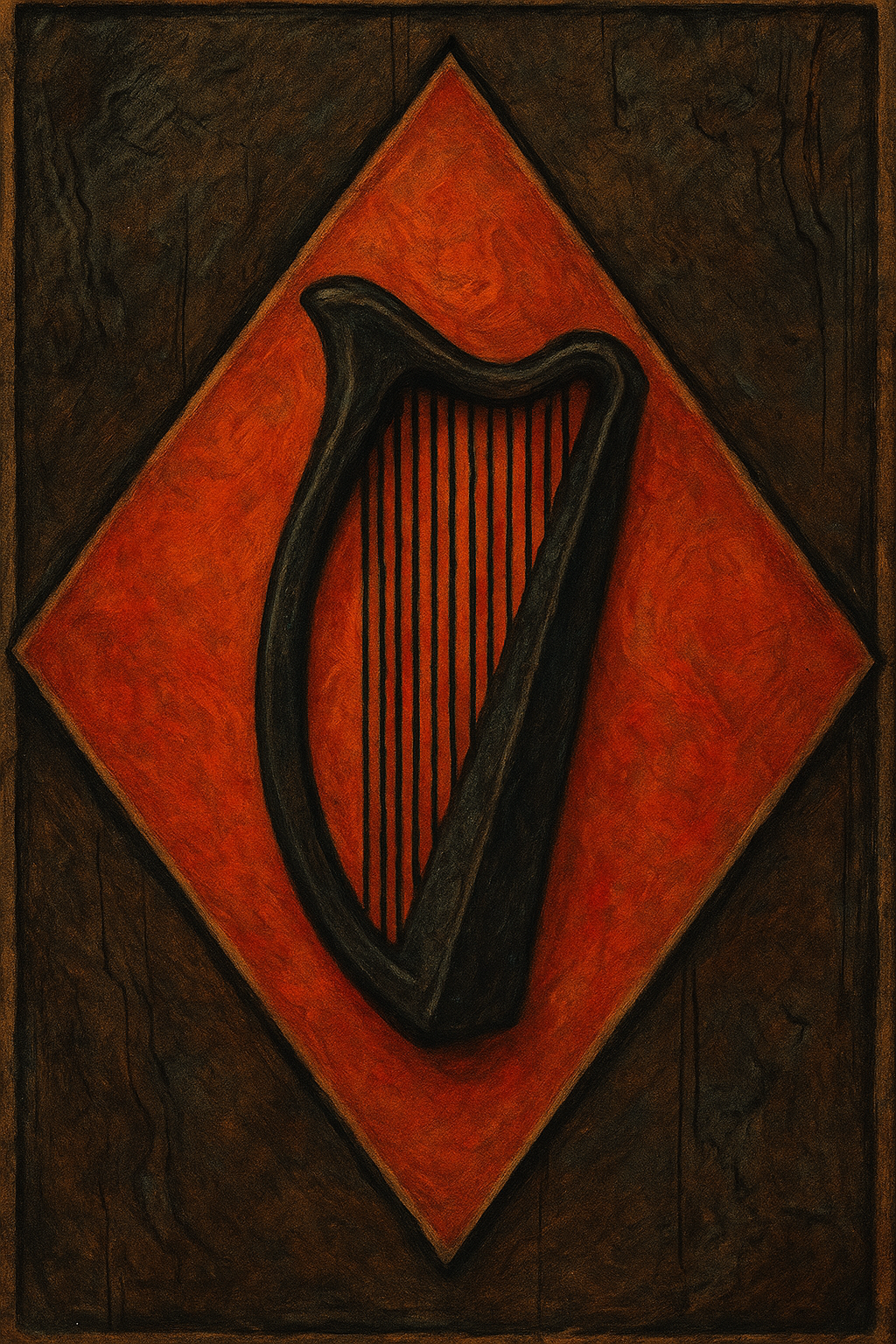
Badge: Gules, a harp sable.
College of Heralds on Hârn / College of Heralds in Ivinia (Dragon Lodge)
 The heralds’ guild is closely associated with the nobility, which it principally serves. All young nobles between the ages of 10 and 13 are required to learn the rudiments of the herald’s art, and heralds are generally employed to do the teaching. Most heralds are bonded to landholding nobles and are responsible for the keeping of family records, heraldic arms, genealogies, and the like.
Heralds also play an important role as ambassadors skilled in etiquette, diplomacy, and the forms of warfare. In this role, they are afforded a high degree of neutrality. When a major battle is to be joined, heralds from both sides will meet to exchange formalities and to make arrangements for such matters as the time the battle is to start and the treatment and care of prisoners; they may also conduct last-minute negotiations. Opposing heralds might well be personal friends and will often watch the battle together from some safe vantage point.
The institutions in which heralds receive advanced training are called colleges; they are vitally important repositories for genealogical records. The grounds of the colleges are inviolate by law; even kings and emperors are forbidden unless invited.
Only nobles, fighting orders, and standing legions may receive a grant of arms, and only the College of Heralds may make such a grant. There are severe penalties everywhere for bearing false arms. An application for a grant of arms requires that a unique design be submitted to the nearest college, which will then pass it along to the principal college of that region for registration. It will usually take at least four months for a grant to be approved, and much longer if design conflicts arise. Registration fees are high, typically about 5000d.
Badge: Party quarterly gold and gules, a buglehorn stringed of the first, argent and purpure.
Hideworkers’ Guild
 The Hideworkers’ Guild has a monopoly on the curing and working of all types of animal hides for profit. A master’s establishment may be a tannery located on the downwind outskirts of a settlement and/or a workshop where cured hides are worked into leather goods. A tannery purchases raw hides from anyone, although its principal source will be local manors and mercantylers. Leathercrafting that involves horses is a monopoly of the Ostlers’ Guild and leather armour is made by the Weaponcrafters’s Guild. Although some hideworkers specialize in the art of the shoemaker, a master hideworker is skilled in all branches of hideworking.
Hideworkers butcher carcasses for meat in many Hârnic towns, but this service is not covered by the guild’s privilege. Although salters often purchase meat for preservation and resale, some do their own butchering and others have membership in both guilds.
Badge: Argent, a water bouget sanguine.
Innkeepers' Guild
 Innkeepers have a monopoly on the operation of inns and on the manufacture and sale of alcoholic beverages. Most inns brew their own beers, which do not travel well, but food, wines, and spirits are generally imported.
There are two levels of guild franchise: inns and taverns. The latter are more numerous but are not supposed to offer sleeping accommodation or serve hot meals, distinctions that are much abused. Most inns have an ostler’s establishment adjoining them, but few taverns provide this service. The ostler is either bonded to the innkeeper or operates his own franchise in partnership.
Two types of brewer exist outside of the guild structure. Alewives are small-scale brewers who prepare ale for private consumption, while cellarers are specialist brewers and vintners who work on large holdings and in religious orders. Guild law allows them to sell their brews to an innkeeper or mercantyler but prohibits selling to the public, although this is often overlooked if there is no local inn or tavern.
Inn and tavern prices depend mainly on the location and clientele served. Typically, a pint of ale, cider, or mead will cost one farthing, as might a cold meal of bread and cheese. A hot bowl of soup or stew served with warm, fresh bread may cost as much as one penny. Meat roasts and other luxuries can be purchased in the better inns for 2–12d per serving. Accommodation prices (per night) range from one halfpenny for a soiled straw bed in a crowded dormitory to sixpence for a furnished and spacious private room. Prices usually soar during local festivals and holidays.
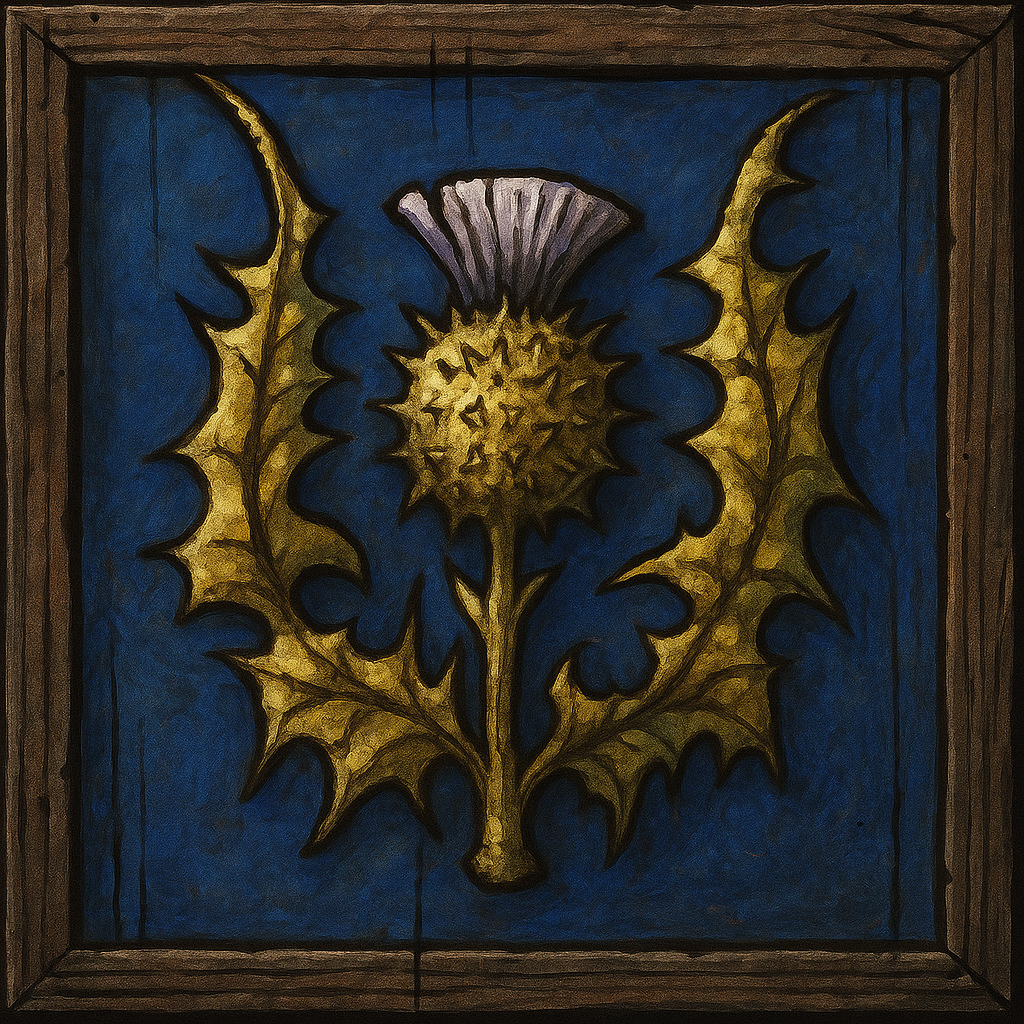
Badge: Azure, a bordure sable, a thistle proper. The usual practice is for innkeepers to place this symbol in a lower corner of the inn sign.
Jewelers’ Guild
A master jeweler is an expert goldsmith, silversmith, engraver, and jeweler, but his shop may specialize in one of these arts. Some masters specialize in metal engraving, making seals and signets to order, and a few are licensed to strike coins or are bonded as coinmakers to royal mints. Very few human jewelers can match the skill of the Khuzdul and Sindarin.
Badge: Gules, a chain of three links gold.
Lexigraphers’ Guild
The Lexigraphers’ Guild has a monopoly on the manufacture and sale of vellum, parchment, scrolls inks, quills, and the like. Paper is rare. A master lexigrapher usually buys lambskin for parchment and calfskin for vellum from local tanneries. Some lexigraphers sell maps and manuscripts or practice the art of book-binding. While the Lexigraphers’ Guild does not have a monopoly on the written word, many scribes have associate memberships in the guild. Most folk, common or noble, can neither read nor write.
Badge: Sable, a quill gules on a sheaf of parchment proper.
The Lia-Kavair / Lia-Kavair in Ivinia
Better known as the “Thieves Guild,” the Lia-Kavair controls a host of semi-illicit urban activities such as gambling and prostitution, and criminal activities such as extortion, purse cutting, and smuggling. The guild has no official recognition but receives tacit support from powerful groups because it tends to keep crime under control and provides skilled assassins when called upon. The guild is often associated with the Church of Naveh.
The Lia-Kavair tries to maintain the status quo with strict, unwritten rules designed to prevent any segment of society from being over-victimized. Troublesome “unguilded” criminals quietly disappear or are betrayed to the authorities for punishment. Regional authority is weak. A single chapter headed by one “guildmaster” usually dominates a settlement. The guild will rarely intervene to free or defend a member who has been caught, nor would such intervention be effective with most governments. The cardinal rule is to never get caught.
Badge: For obvious reasons, there is no registered badge for the Lia-Kavair, which is at least technically illegal almost everywhere. However, individual chapters may have secret recognition symbols.
Guild of Litigants
 The Guild of Litigants does not have a monopoly on litigation, just expertise. They handle contracts and other legal transactions on behalf of various clients (usually other guildsmen) and can be hired to argue a client’s case before some court. This is a powerful urban guild and litigants often hold powerful positions in the administration of towns. Litigants are rarely tolerated in rural areas where justice is more paternalistic and the privilege of the feudal nobility. Typical prices for simple wills, deeds, and contracts are 12 36d, while court appearances range from 12–48d per day depending on the litigant’s expertise and past successes.
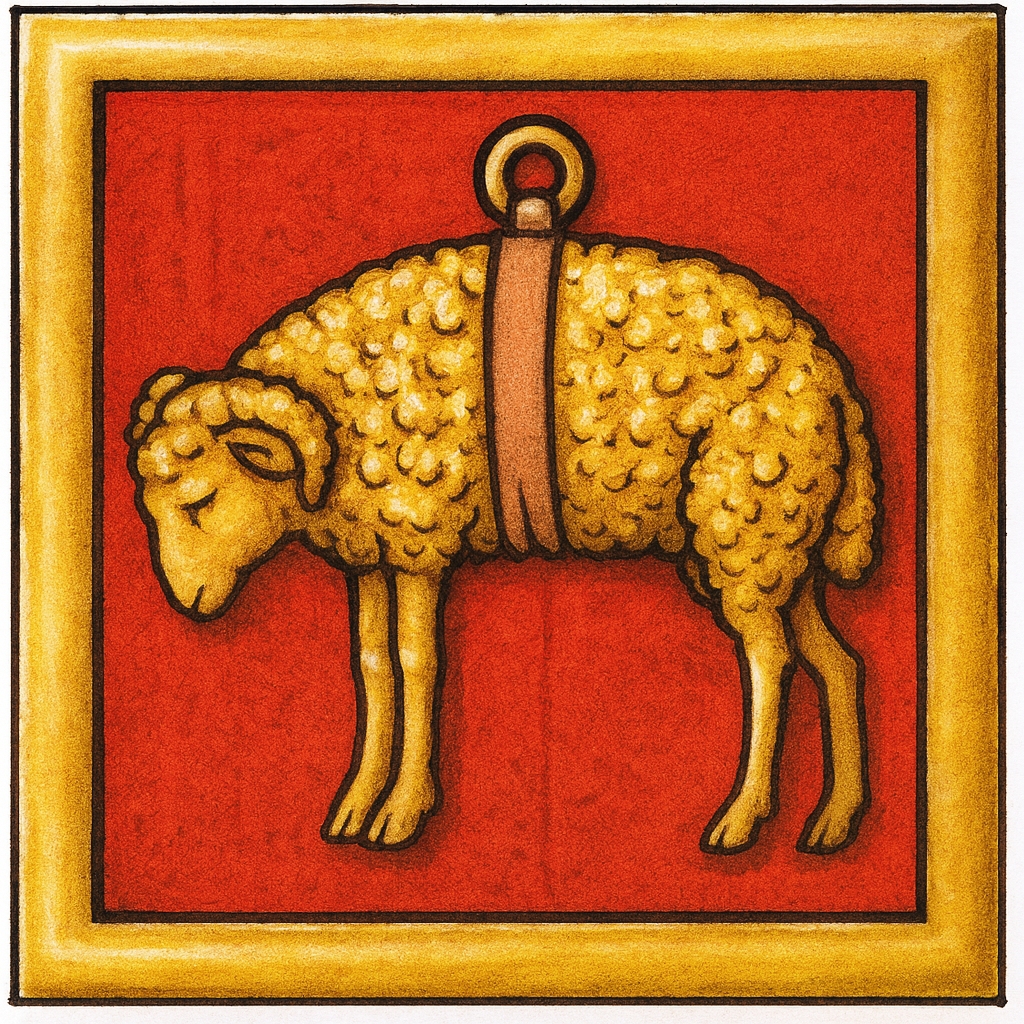
Badge: Gules, a bordure gold, a fleece of the second.
Locksmiths’ Guild
The locksmiths’ monopoly includes the manufacture, sale, installation, and repair of keys, locks, and other small mechanisms. Locksmiths also make lockboxes and are often hired by masons to design and install secret doors or similar devices, which are much in vogue with the nobility.
Badge: Azure, a key and a fetterlock both gold.
Masons' Guild
The masons’ guild is one of the most respected and powerful. A master mason is a competent architect, stonecutter, engineer, and builder. Virtually all fortifications are built by masons, and most towns require that a mason supervise and maintain all construction within its walls. Some freemasters specialize in stone-cutting and operate quarries. Bonded masters are retained by nobles to maintain major keeps and castles.
Construction prices for various structures vary dramatically. These depend on the availability of labor and materials, site location, size and quality of construction, and mason architect fees. Price ranges for various buildings are: Town House, 1,000–10,000d; Manor House: 1,500–15,000d; Keep: 50,000–500,000d; Castle: 250,000–2,500,000d.
Badge: Party per fess embattled argent and gold, a tower proper.
Mercantylers' Guild
Mercantylers are involved in the trading of goods at a profit, acting either as buyers and/or sellers of merchandise, or only as agents. The guild’s monopoly is on trade between guildsmen, not the selling of goods to the public at large. Most mercantylers are simple merchants, buying and selling any and all goods in one locale or another. The more adventuresome masters engage in foreign commerce, either in the caravan or maritime trade, and some specialize in an exclusive trade such as furs, slaves, or wines.
Although enforcing a monopoly over all trading activity would be impossible, this guild is nonetheless very powerful. No guildsman will sell his product outside his own settlement without involving a mercantyler, giving them a de facto stranglehold in the buying and selling of goods. All major towns have a Mercantylers’ Hall for guild members only. People who are not guild members can participate in this private market only by hiring a mercantyler as agent or factor, usually for a commission of 5–10%.
The guild also has a monopoly on usury, the loaning of money for interest. While any mercantyler has this right, most usury is practiced by specialists from fixed locations. They are mostly involved in the financing of trade, but will, with proper incentive, finance the ambitions and comforts of kings and others. Interest rates can be high, ranging from 2% to 10% per month, compounded, based on collateral and risk.
Usurers also exchange foreign coinage for a negotiable discount, 20% being normal, and they issue promissory notes. There are not nearly enough coins in circulation to cover the value of goods traded so nearly all large payments are made by way of these notes. A usurer’s note may circulate from one mercantyler to another (effectively paper money) but can (theoretically) be redeemed in full when presented back to the issuer. Usurers in other cities may also redeem their colleagues’ notes, at a discount of 5–20%, but higher discounts apply to foreign notes.
Badge: Gules, three roundels gold.
Metalsmiths’ Guild
The Metalsmiths’ Guild has a monopoly on all metalcraft except weaponcrafting, coinmaking, and the fine work reserved for the Jewelers’ Guild. A master metalsmith may be bonded to a noble household or operate a major urban establishment, but most are “village smiths.” Metalsmiths produce a wide range of vital goods from iron, steel, copper, brass, bronze, pewter, and other common metals.
Badge: Vert, an oval buckle proper.
Guild of Millers and Millwrights
The millers and millwrights have one of the most important guilds, with a monopoly on the ownership and operation of all mills and milling. Local lords have, from time to time, attempted to usurp the millers’ rights by building their own mills, but masons will not construct them and millers refuse to operate them.
Virtually all manors and villages have at least one mill. Most are water-powered, but wind and muscle power (usually that of animals) drive about 15% of all mills. Mills are generally owned by the guild and awarded as franchises to freemaster millers, who pay 20% (rather than the standard 10%) dues. Each mill pays an annual tax of around 240d to the local fiefholder or landlord. A freemaster miller generally retains 5–15% of the grain he grinds, most of which he sells to mercantylers.
Mills may be used to grind and press nuts and seeds. Some millers even operate commercial ovens and sell baked goods, but this is not a monopoly of their guild. An important guild specialty is that of millwright. These are engineers familiar with the construction, operation, and maintenance of large machinery. Most millers have some understanding of the operation of heavy equipment but it is typically a function performed by masters who specialize in this activity. Some master millwrights are employed to build, run, and maintain heavy machinery such as derricks, drawbridges, and gates.
Badge: Gold, a millrind proper.
Miners' Guild
 The miners’ guild is one of the wealthiest and most powerful in western Lythia. The guild itself owns some mines, but many are owned by the state. In most regions, mineral rights are held by the crown, but in others (notably Shorkyne) they belong to powerful regional lords. In some cases, the Miners’ Guild works the mine for the lord in exchange for a percentage of the profits, while in others, the guild keeps all the proceeds in exchange for a license fee.
Most mining operations are fairly small but some have hundreds of employees. The most important minerals are gold, silver, iron, lead, tin, copper, and salt. Smelting is, where possible, done on site to minimize transportation costs.
Freemaster miners have the right to prospect on any land except church lands, orchards, meadows, and highways. They also have the right to cut timber without the consent of the local landholder, hold their own courts of law, and protect their employees. In many cases, they are exempt from taxation and military service. In most regions, an unfree peasant who flees to a mine and is employed there for two years becomes a freeman. Prospectors sometimes go missing, likely at the hands of landowners who wish to avoid the opening of a mine on their properties.
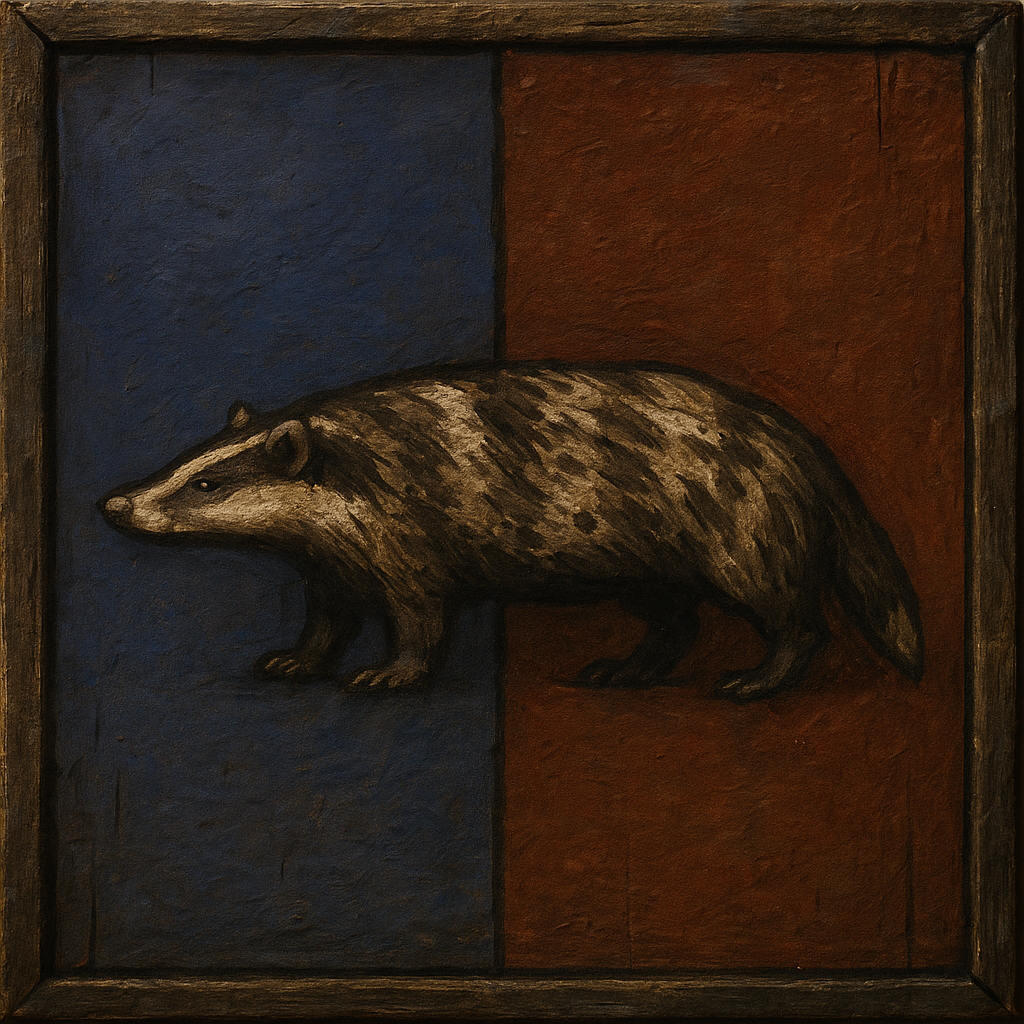
Badge: Party per pale purpure and sanguine, a brock proper.
Ostlers' Guild
 Ostlers have a monopoly over the breeding, care, and sale of horses for profit. A master ostler is an expert farrier, equine veterinarian, stablemaster, and tackmaker. Although some ostlers specialize in one aspect of the craft, most operate livery stables in conjunction with inns.
Major nobles find a bonded master ostler to be indispensable. Freemaster ostlers are also found wherever horses are raced. Each major settlement has a fenced Ostlers’ Common where ostlers graze the horses in their care. Individual ostlers frequently also own their own pastures. While ostlers shoe horses, they usually purchase the shoes from metalsmiths. A charge of 1d will usually stable one horse overnight, including feed.
Badge: Gold, a bordure vert, a horse-shoe proper.
Perfumers' Guild
The Perfumers’ Guild has a monopoly on the manufacture and sale of soap, perfume, incense, and the like. Some temples and a few private households make their own, but they cannot sell such work. The guild is very secretive about its arts, which are unknown to most of the population.
Badge: Sanguine, a red rose and a dolphin hauriant both proper.
Society of Physicians
 The Society of Physicians is a loosely organized body with a wide variation in expertise among its masters. Some are incompetent but cheap quacks, while others are very skilled and quite expensive. A freemaster physician can take on as many apprentices as he or she wishes with little or no reference to the guild. Little effort is made to maintain any standards, although a physician who maims or kills too many important people will experience severe difficulties staying alive. There are no journeymen, nor are there bonded masters in any real sense; physicians may operate as freemasters or under contract to an employer as they deem appropriate. Many physicians are associated with the Church of Peoni. It is widely believed, not without some cause, that they dabble in magic (or at least psionics); some actually do.
Most physicians confine their talents to the treatment of minor ailments. Fees charged vary dramatically with the skill and reputation of a physician but would typically range from 3d for minor “first aid” to sums in excess of 240d for major surgery. Medicines (provided by the Apothecaries’ Guild) and hospital services (which are rare) may double or triple these fees.
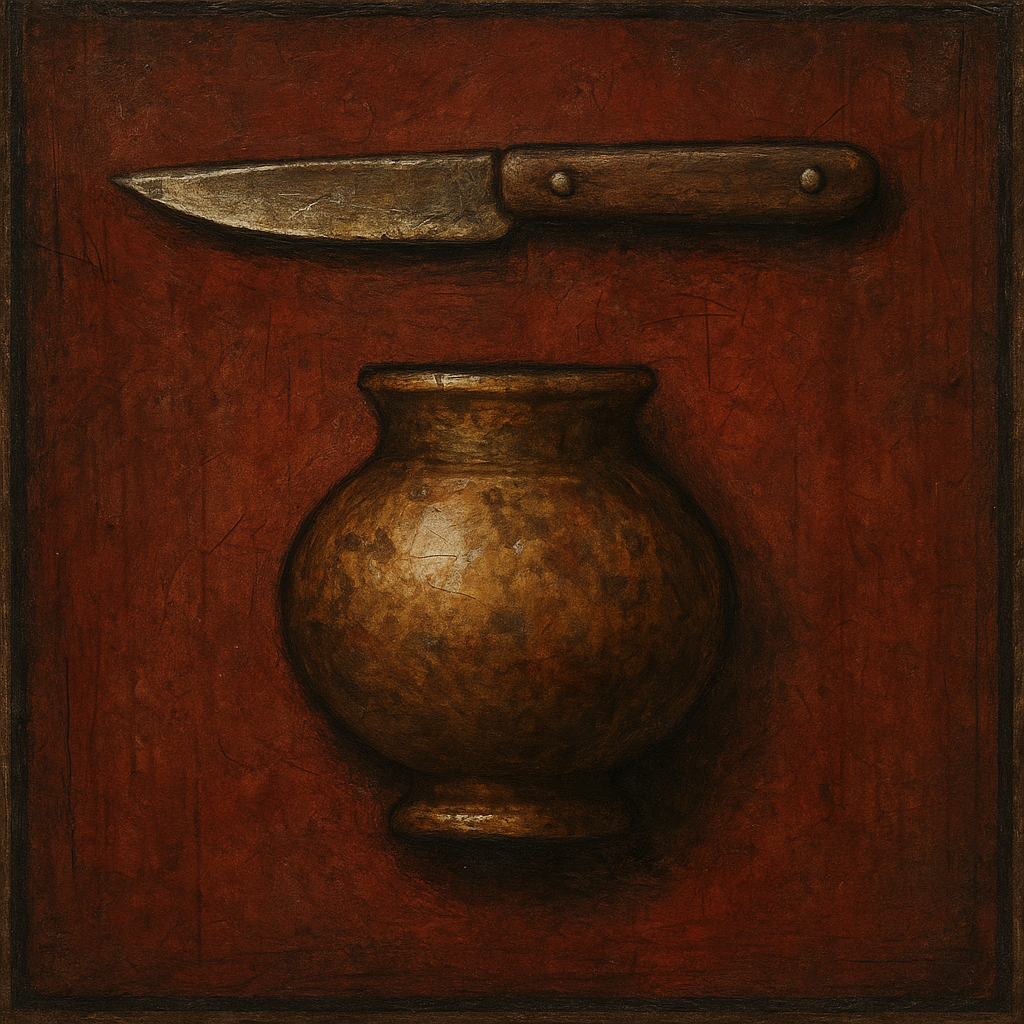
Badge: Gules, an urn gold and a surgeon’s knife proper.
Pilots’ Guild
 Pilots are navigators who direct ships from one port to another. While the captain decides on the destination, it is the pilot who actually navigates the vessel, decides how much sail to hoist, calculates position, and lays courses. All seagoing vessels more than 30 feet in length are required to carry master pilots, except for locally registered fishing vessels and Ivinian vessels, which have somewhat different requirements.
Every master pilot compiles a private rutter, a book that contains his accumulated knowledge of the sea. This is carefully guarded, for its loss could easily bring disaster. The unauthorized possession of a rutter often carries the death penalty, but their high value is an enormous temptation to thieves. A sizable reward is available for turning in a lost rutter at any Pilots’ Guildhall.
Pilots are highly respected by all mariners. It is acknowledged that their skills are essential for the safe operation of a vessel. It is almost universally taboo to harm them because they are simply much too vital for maritime trade. Even pirates are likely to spare the life of a captured pilot, partly from respect and partly because the Pilots’ Guild offers a ransom of 1,200d.
Master pilots have wide discretion with regard to taking on apprentices. Most apprentices are former seamen who have demonstrated an aptitude for learning. Apprenticeship generally takes nine years, the longest of any guild. There are no journeymen in this guild.
For detailed information on piloting, ships, etc., see Pilots’ Almanac (COL #4002).
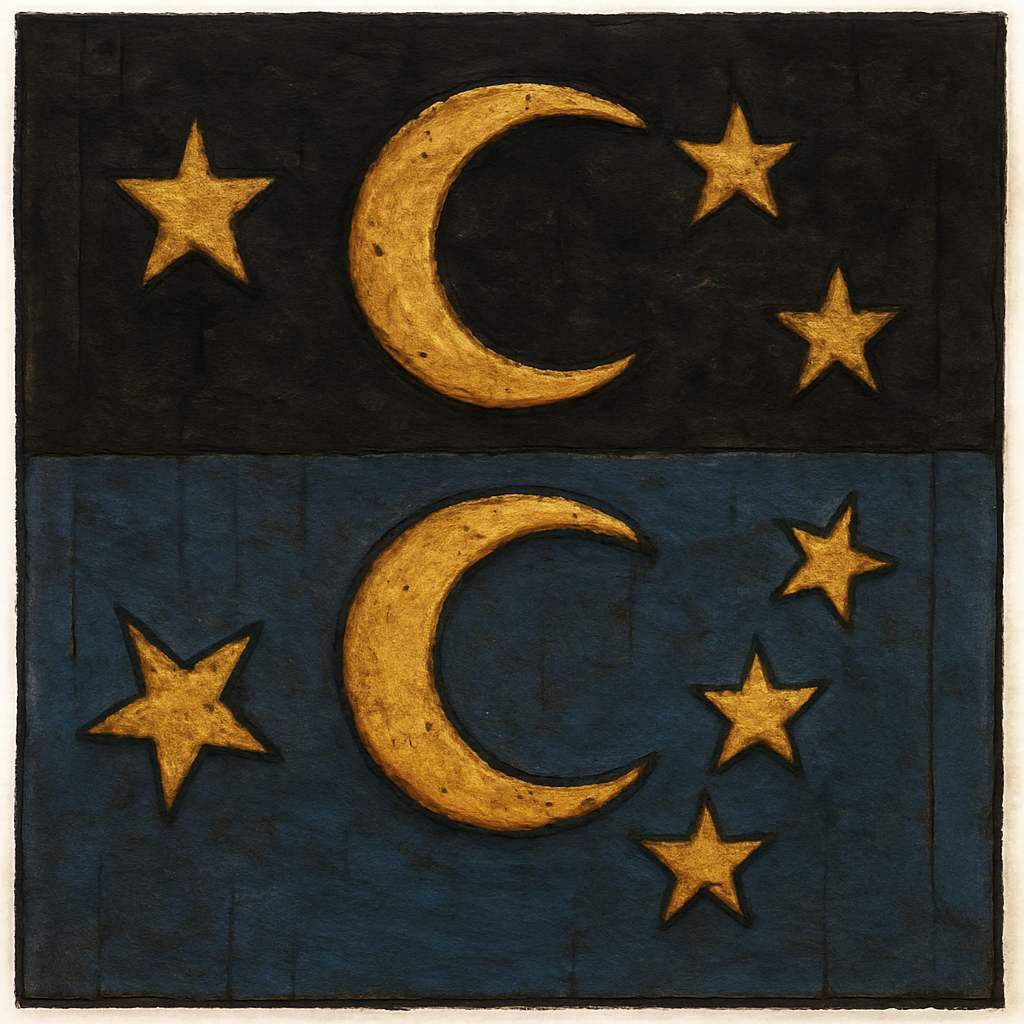
Badge: Party per fess, sable and azure, in dexter side two molets of five points gold, in pale two decrescents of the third, and in sinister side four molets of five points of the third.
Potters' Guild
The potters’ guild has a monopoly on the production and sale of ceramic goods. Potters buy clay and other materials to produce pots, vases, urns, jars, cups, plates, and various other wares.
Badge: The potters use the symbol of a two-handled urn. Exact coloring varies but there is a strong tendency toward earth tones.
Salters' Guild
This guild has a monopoly on the sale of salt, a mineral whose value derives from its use as the principal agent for food preservation. A master salter sells bulk salt, preserved meats, cheeses, and often a variety of pickled foods. Many own a shop or stall in a town, while others travel between minor settlements.
Guilded salters may own salt pans and produce salt distilled from seawater or brine springs. The more common rock salt, on the other hand, is obtained from the Miners’ Guild and transported by mercantylers, who can only sell it to salters.
Badge: Sable, a saltire argent.
Seamens' Guild
Persons hiring a ship’s crew generally do so from the Seamen’s Guild. If the guild cannot provide enough hands, unguilded labor may be used on a temporary basis. The ranks of the guild are deck boy, ordinary seaman, and able-bodied seaman. Promotion to the next highest rank requires a minimum of two years sea-time in the current rank.
Because a seaman does not always serve on the same vessel throughout his career, when he is discharged from a ship, its captain must report the details of his service to the local guildhall. When enough sea-time has been acquired for promotion, the seaman will be promoted to the next highest rank at the discretion of guild officers. Seamen bear a unique tattoo on their left arm signifying their guild rank. Throughout western Lythia, the guild has persuaded most civil authorities to punish the bearing of a false tattoo with amputation of the offending limb.
Badge: Party per fess engrailed argent and azure, an anchor proper and gold.
Shipwrights’ Guild / Shipwright Clans
 Shipbuilding is one of the largest manufacturing activities in Lythia. Every port, large or small, has one (and only one) shipyard, which is operated by a freemaster of the Shipwrights’ Guild. Most of these guildsmen are highly respected and prosperous members of their community. A master shipwright is fully qualified in the arts of vessel design, construction, and outfitting. His shipyard, depending on size, may produce anything from large sea-going ships to small river craft.
While their monopoly does not cover rope-making, shipwrights usually produce the best cordage and cable. Metal fittings are subcontracted to freemaster metalsmiths or made by bonded metalsmiths in the shipwright’s employ. Most master shipwrights are bonded to the freemaster holding the local franchise; some are bonded as ships’ carpenters.
For detailed information on shipwrights and vessel construction, see Pilots’ Almanac (COL #4002).
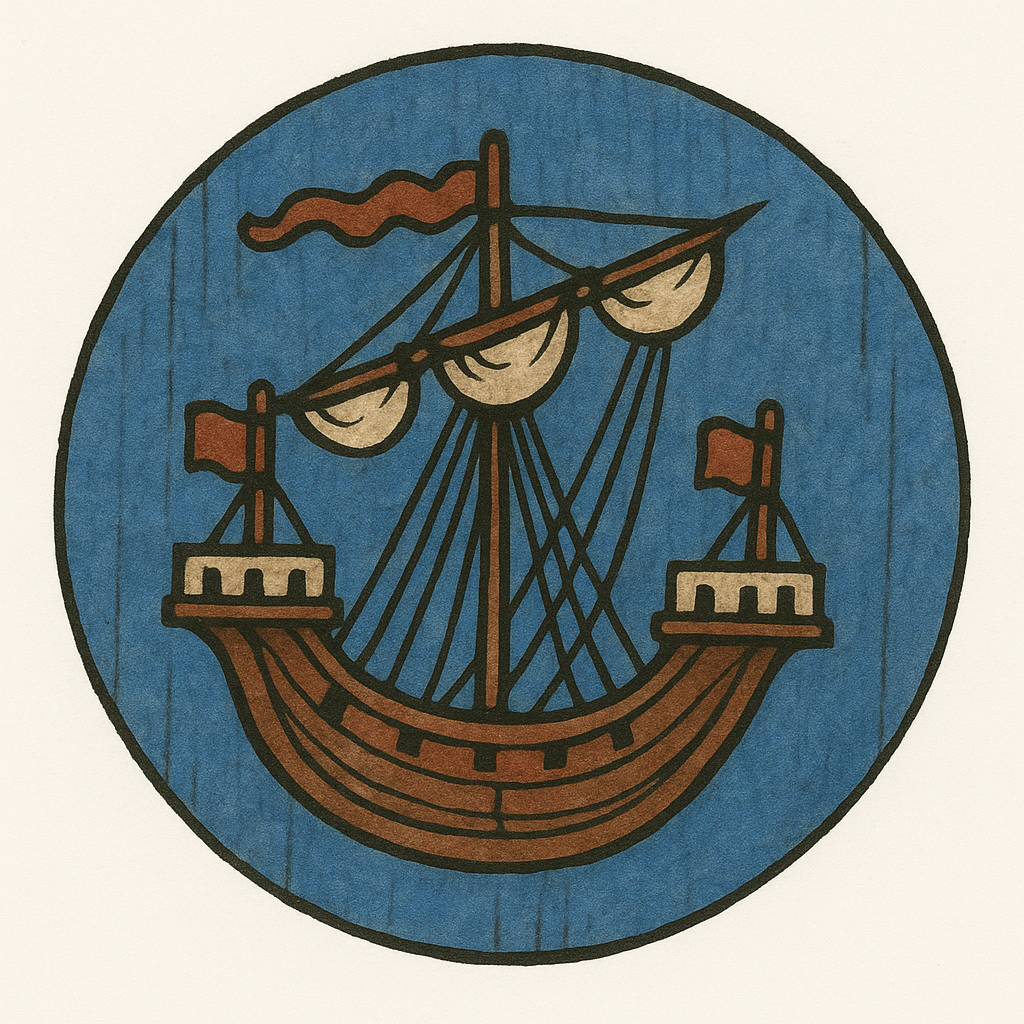
Badge: Azure, a lymphaid, sail furled, proper.
Tentmakers’ Guild
Tentmakers have a monopoly on the production of tents and awnings. They make pavilions for traveling nobles and stall covers for street vendors. Their basic product is canvas, which they weave from flax and sell to shipwrights, mercantylers, and chandlers. Some tentmakers manufacture sails and deck tents for ships, while others specialize in renting tents and stalls to those attending fairs and tournaments.
A tent sells for around 3d per square foot. Hence, a pavilion tent, the kind most common at fairs and tournaments (10’ × 10’ floor area), would cost about 300d. Tents decorated with heraldic or other symbols usually cost more.
Badge: Azure and sable, a chevron embowed argent.
Guild of Thespians
The Guild of Thespians is a small, exotic, and somewhat eccentric guild that trains and takes in actors and other performing artists. While thespians are not members of the Harpers’ College, a harper or two often travel with a troupe of thespians. A master thespian usually operates his own touring company and will be a competent playwright, actor, juggler, and acrobat, although he may specialize in one such activity. Most thespians are apprentices and journeymen who will never head their own troupes.
Although most companies are capable of staging elaborate and varied performances, many specialize in religious or educational material under the tacit sponsorship of some religious order. There are also some 27 basic dramatic themes that are constantly being reworked by practitioners of the “classical” school. Traditional forms tend to be stylized; puppetry and mime are common. Even new plays tend to be conservative, and hardly ever political, since many performances are monitored by secular and ecclesiastical observers. Most troupes play to noble households for negotiated fees or in the street for thrown offerings, hopefully coins.
Badge: Party per fess gules and argent, a clarion gold.
Timberwrights’ Guild / Timberwright Clans
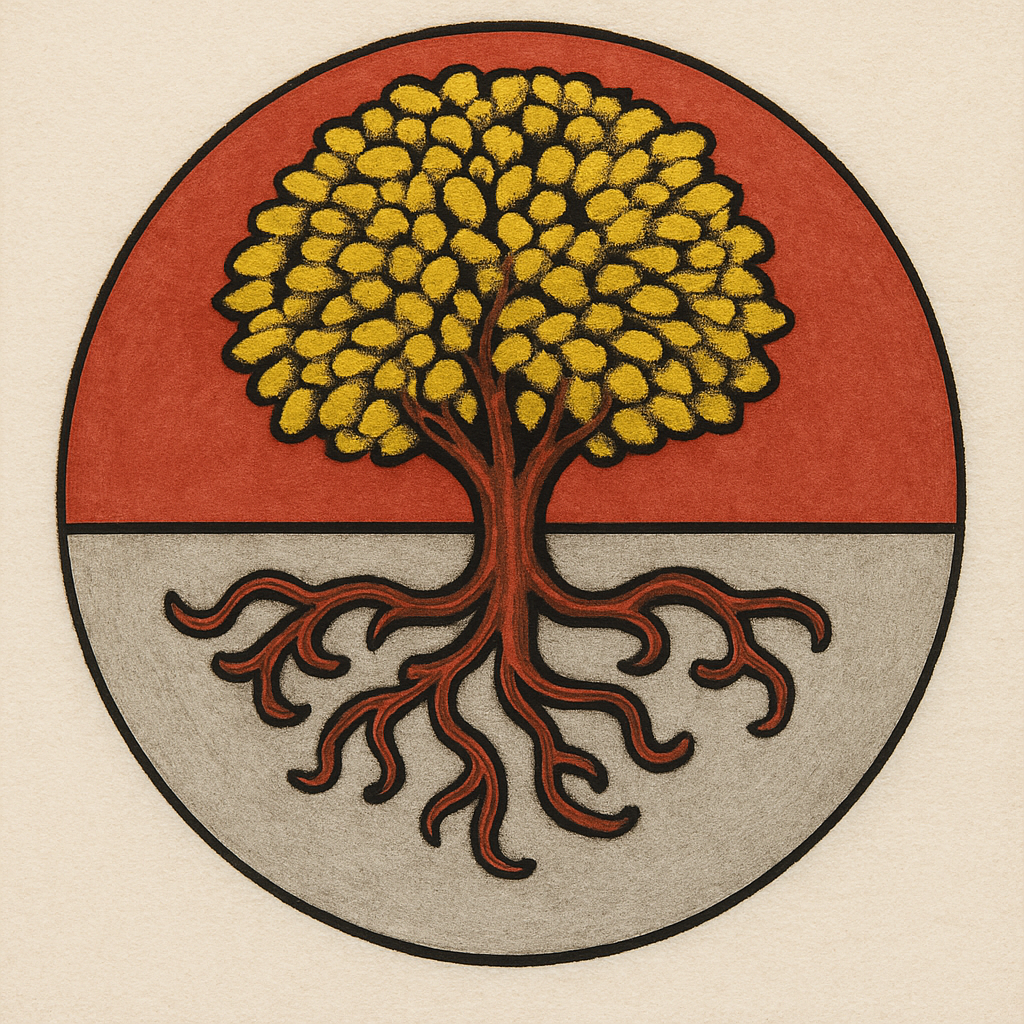 The Timberwrights’ Guild has a monopoly on commercial logging. Timber rights are held by landowners, who are free to cut timber for their own or vassals’ use, but only timberwrights may sell timber for profit. Timberwrights obtain licences from the landowner for stumpage fees, averaging 10% of the selling price. It is generally a serious offense to cut trees without such licence. Some timberwrights obtain lumber from wilderness areas, but this involves higher transportation and security costs. Most timberwrights operate a sawmill, where logs (timber) are sawn by hand into planks (lumber) of various dimensions. Timberwrights’ main customers are woodcrafters, shipwrights, masons, and charcoalers. Miners have the right to cut their own timber but often employ bonded timberwrights for their expertise.
Badge: Party per fess gules and argent, an oak tree eradicated proper.
Weaponcrafters’ Guild / Weaponcrafter Clans
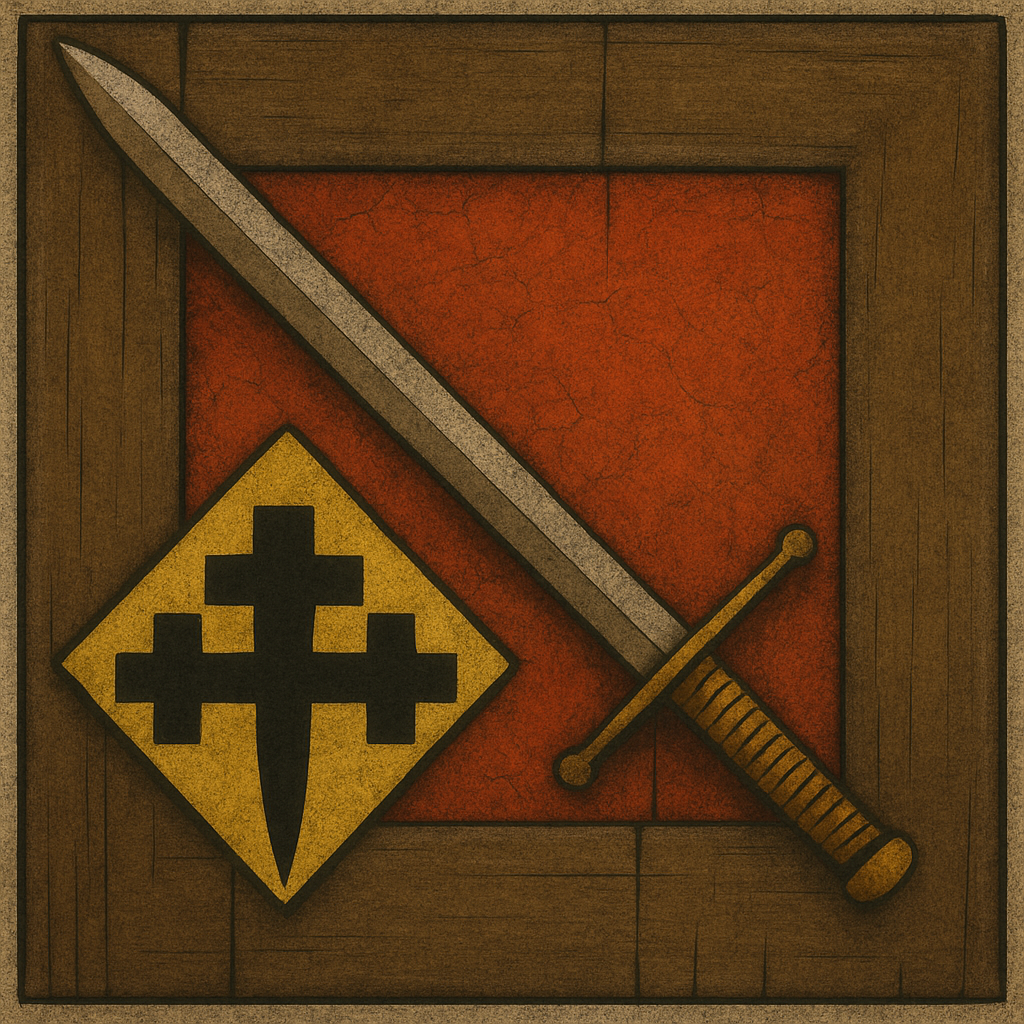 This guild has a monopoly on the design, manufacture, and sale of weapons and armour, although unguilded peasants are commonly allowed to make bows, arrows, and crude weapons. Weaponcrafters are highly respected, especially by the nobility they principally serve.
A master weaponcrafter either owns a franchise in town or will be bonded to a noble household or an army in the field. Weapon and armour prices are very high, partly due to the expertise required for their manufacture, but mostly because the nobility requires that prices be inflated to limit weapon distribution. Certain classes of weapon are also deemed “chivalric,” notably lances and battleswords. These may not be borne by persons who are not of noble birth.
Some weaponcrafters specialize in the making of armour. The most common armour types found on Hârn are leather, ring, scale, and mail. Plate armour is rare and articulated plate does not exist.
Badge: Gold, a cross crosslet fiched sable. Note that the common practice is for master weaponcrafters to place this badge in the corner of a sign indicating their specialty. The example shown is a swordsmith.
Woodcrafters’ Guild / Woodcrafter Clans
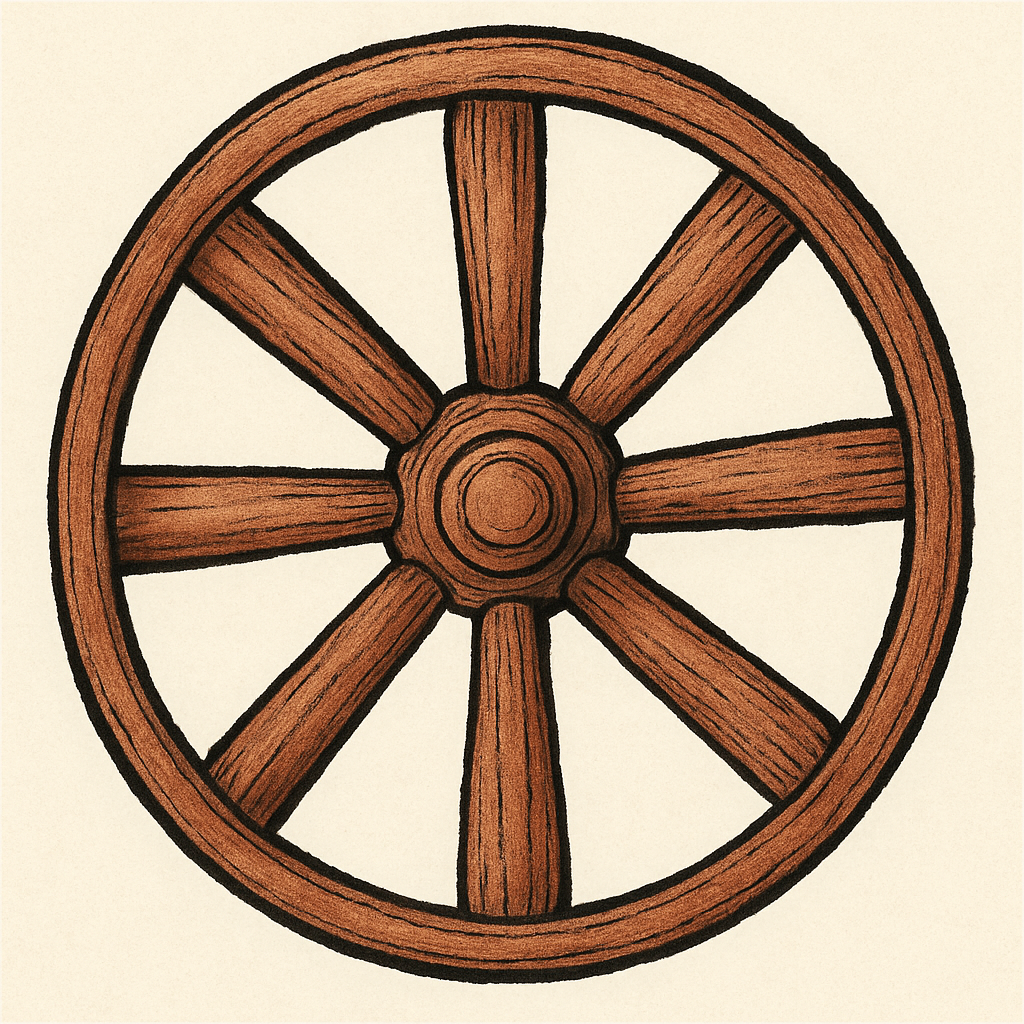 Woodcrafters are one of the largest and most important guilds. Master woodcrafters have the skills of carpenter, cabinetmaker, cooper, and wainwright. They produce a vast array of goods, including furniture, boxes, barrels, wagons, and ladders. Many woodcrafters are employed in construction projects under masons, and where stone is not involved, they may supervise building.
Badge: Argent, a wagon wheel proper. Note that it is common for woodcrafters to simply hang a real wagon wheel outside their place of business.