Prices:
| Type of Animal Hide | Price |
Titanoboa Rawhide Extremely hard skin from a Pacific Titanoboa, accompanied by iron-hard scales. While very heavy, once properly treated, this hide becomes extremely resistant leather, and was historically used to produce ornate armour. Used to manufacture Titanoboa Leather | £30/kg |
Bunyip Rawhide Rawhide from a deadly Bunyip. Very tough and completely impermeable. Used to manufacture Bunyip Leather | £10/kg |
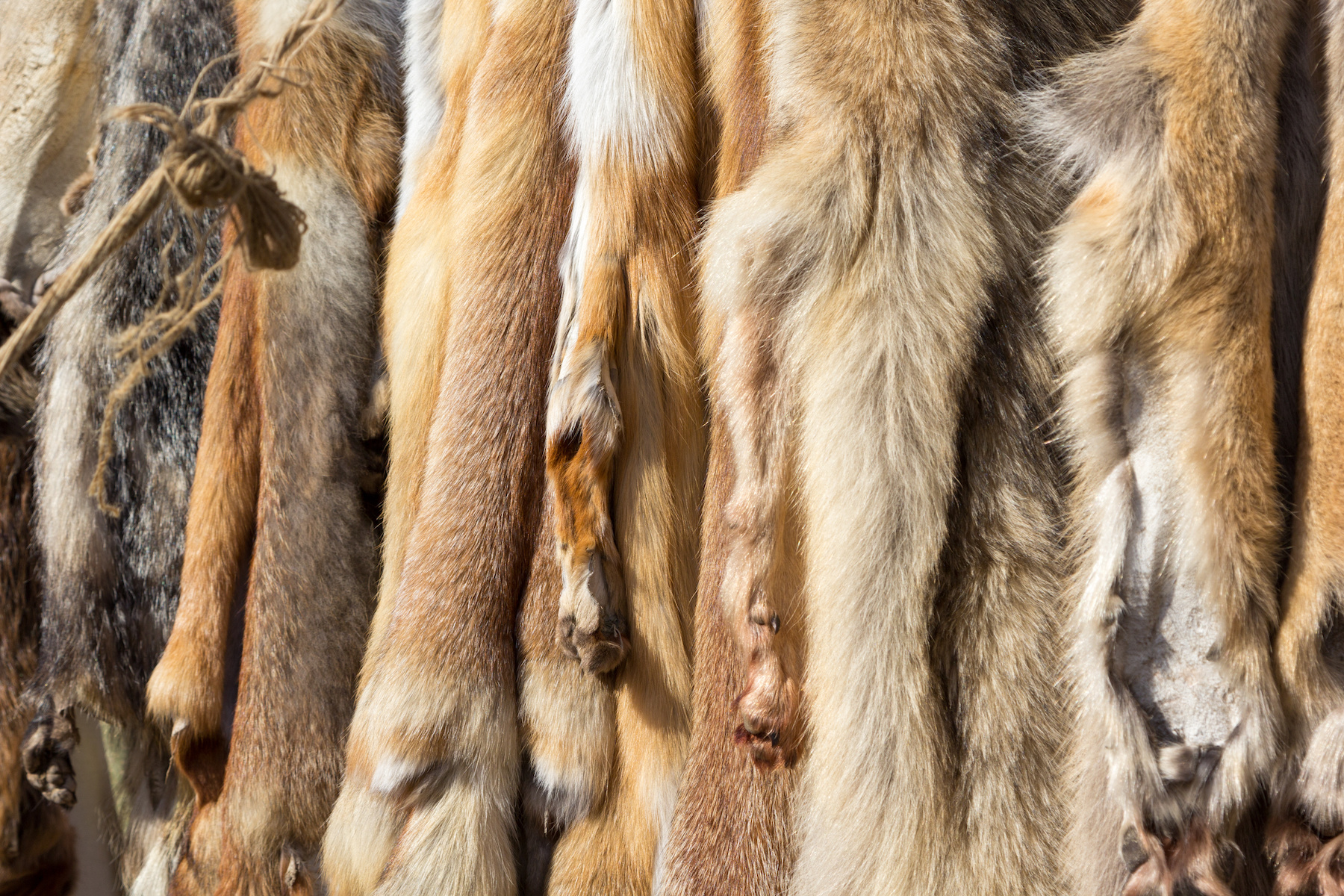
Heavy Furry Rawhide Rawhide from a large, thick-skinned and furry animal. While an excellent material for fur clothes, it can also be stripped, cleaned and hardened. Used to manufacture Soft Leather, Hardened Leather and Leather (Fur) | £0.40/kg |
Heavy Rawhide Rawhide from a large, thick-skinned animal. Tough and rough to the touch, perfect for saddles, dusters and leather armour. | £0.30/kg |
Light Furry Rawhide Rawhide from a small, skinny but furry creature. While an excellent material for fur clothes, it can also be stripped, cleaned and processed. | £0.25/kg |
Light Rawhide Rawhide from a small, skinny creature. Soft and flexible, an excellent material for clothes and bags. Used to manufacture Soft Leather | £0.10/kg |
Seaskin Thin skin from a maritime creature, often called "seaskin" in Oceanyka. If it comes from maritime mammals, it's typically rubbery and soft, whereas fish skin is typically slippery and scaly. Seaskin is very water-resistant but otherwise makes for a terrible leather, known as Seahide. Better to just fry it and make it a snack. Used to manufacture Leather (Seahide) | £0.05/kg |
Humanoid Rawhide Being seen with this could really get you in trouble. | NONE |