Physical Description
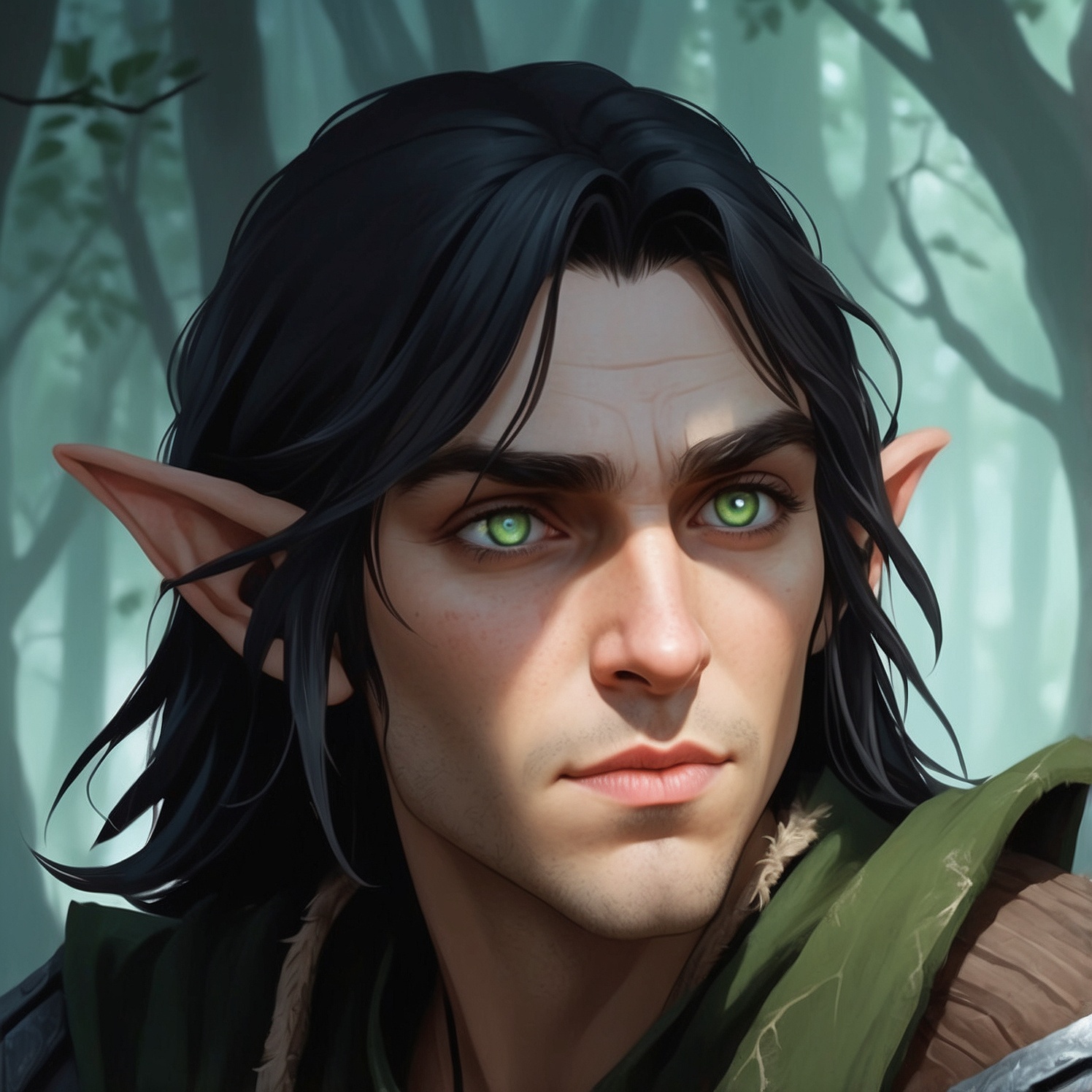
Wood Elves, often referred to as the Children of the Green, embody the spirit of nature more profoundly than any of their elven kin. They are slightly shorter and more agile than other elves, standing around 5 feet tall, with a lithe, athletic build that speaks to their natural affinity for the wilds. Their skin is often sun-kissed, ranging from light bronze to deep earthy hues, a reflection of their life beneath the canopy of ancient trees.
Their hair mirrors the colors of the forest itself—deep browns, vibrant greens, autumn russets, and the occasional ashen silver, reminiscent of moonlit glades. Wood Elves take great pride in adorning their hair with natural ornaments: braided vines, feathers, and woven flowers that signify their connection to the seasons. Their eyes are sharp and perceptive, glimmering in hues of emerald green, hazel, and chestnut brown, often flecked with gold. This keen eyesight grants them unparalleled skill in archery and a deep awareness of their surroundings.
Wood Elves also bear subtle markings on their skin—faint lines and spirals resembling vine patterns, which grow more prominent with age. It is said that these markings reflect their bond with the land, growing and shifting as they mature and deepen their connection with nature.
History
The Wood Elves are believed to be direct descendants of the Therannis, the original Wild Elves who once ruled the vast expanse of Lunora's Great Weald. As the world changed and the forests of Midora grew denser and more mystical, the Therannis splintered, with many embracing the call of the deeper wilds and becoming the Wood Elves. Unlike the Veloren Elves, who retreated to hidden sanctuaries, the Wood Elves chose to meld seamlessly with the living forests, crafting homes among the branches and beneath the roots of towering trees.
Their early history is one of wandering and stewardship, as they moved with the seasons, living in perfect harmony with the land. When the threat of abyssal corruption first began to creep into the fringes of their territory, the Wood Elves became the first line of defense, employing their unmatched mastery of archery and guerrilla tactics to protect their sacred groves. This natural guardianship earned them the respect of many mortal settlements that bordered the wilds, leading to longstanding pacts and alliances.
Society and Culture
Wood Elf society is centered around harmony and balance with nature. Unlike the rigid hierarchies of the Valarith or the mystical enclaves of the Veloren, Wood Elves live in tribal communities known as Groveholds, which are nomadic or semi-permanent villages crafted from the living trees of the forest. These communities are led by Circle Elders—wise druids and seasoned hunters whose decisions are influenced by the whispers of the wind and the movements of the stars.
Nomadic Lifestyle:
Many Wood Elf communities follow the migration of game and the blooming of sacred plants, moving their entire settlements with the changing seasons. Their homes are woven from living branches and enchanted to grow and retract with their presence, leaving no trace of their passing when they move on. This practice has made their true numbers and locations nearly impossible for outsiders to track.
Integration with Mortal Cities:
While many Wood Elves remain in the wilds, others have integrated into the cities of Midora, particularly in regions like Rivermond and Vikholm. There, they operate herb shops, taverns, and sanctuaries, offering remedies crafted from rare plants and enchanted brews. Despite this integration, Wood Elves maintain their traditions and often build rooftop gardens and hidden glades within the cities to keep their bond with nature alive.
Rituals and Celebrations:
The Wood Elves celebrate the natural cycle with grand festivities:
- The Verdant Awakening: A spring ritual that welcomes new life with feasts, music, and druidic blessings.
- The Wild Hunt: A ceremonial event where young Wood Elves undergo trials in the forest, symbolizing their transition into adulthood.
- Twilight Emberfest: Held during the autumn equinox, this celebration honors the spirits of the forest with bonfires, storytelling, and offerings to Chorian, the Guardian of Verdant Realms.
Names and Language
Wood Elf names are inspired by the wilds, carrying the essence of the forest and its many mysteries. Their language, Silvan, is a flowing and melodic tongue, often used to communicate with the flora and fauna of their woodland homes.
Common first names: Faylen (Leaf Whisper), Thalior (Hunter’s Call), Caelithra (Moonlit Branch), Arannis (Wild Runner)
Surnames are typically linked to their role or ancestry: Greenthorn, Branchwalker, Nightshade, Riversong
Relations with Other Elves and Mortals
Wood Elves hold a deep respect for the Veloren, seeing them as distant cousins bound by the same love for nature, though their mystical antlers and celestial connection remain a point of fascination. Their relationship with the Valarith is more strained, given the High Elves’ structured rigidity and frequent disregard for the wilds in pursuit of arcane perfection. Despite this, Wood Elves often serve as mediators between factions, preferring diplomacy and understanding over conflict.
With mortals, Wood Elves are generally amicable, especially with those who respect the land. Many mortal kingdoms along the forested borders of Midora have treaties with Wood Elf tribes, resulting in mutual protection and trade of herbal remedies and enchanted woodcraft.
Guardians of the Wilds
Wood Elves are among the most skilled archers and trackers in Midora. Their bond with nature allows them to blend seamlessly into their surroundings, becoming nearly invisible to the untrained eye. They are also gifted in druidic magic, capable of calling upon the spirits of the forest to heal, protect, or destroy as necessary. Many serve within the The Royal Watch of Vikholm, patrolling the borders of enchanted forests to prevent corruption from spilling into their sacred lands.