Malar was a minor deity not unique to Toril, a divine scavenger who foraged for worshipers among perhaps a hundred predatory races across an equally vast number of worlds. Malarites were generally frowned upon by civilization, as they tended to wreak havoc in their wake. One exception where the worship of Malar was allowed was in Cormyr. Malar was never widely worshipped. Like other Gods of Fury, he was more often invoked to ward off his wrath—typically manifested through wild beasts—than to seek his favor. Nonetheless, some groups did devote themselves to him, forming roaming bands that terrorized settled regions and poached whatever they required. Despite being revered among some druids as a primal deity of predators, his faithful were historically hostile to druids owing to their hatred for the balance that druids sought to maintain between nature and civilization. Priests of Malar were known to actively hunt druids, and in turn, druid circles and factions like the Harpers made efforts to locate and dismantle Malarite strongholds whenever possible. 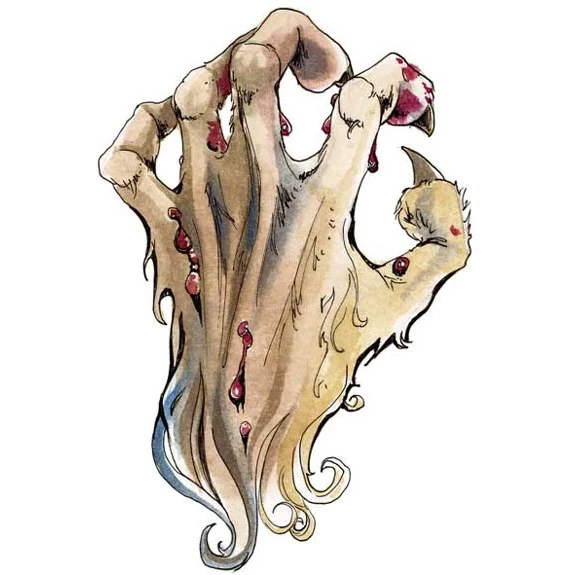
The "church" of Malar had no formal hierarchy. Instead, it revolved around the primal concept of the hunt. Specialty priests of Malar typically wore woodland garb in earthy tones—most often red and brown. Their headpieces were fashioned from the skulls or pelts of formidable predators such as bears, wolves, or great cats—ideally slain by the priest himself, using either bare hands or clawed weapons. The most dominant figure within any group was known as the Huntmaster, who held authority over the rest. It was the huntmaster who determined the timing, prey, and location of ceremonial hunts. This role could be filled by a cleric, a specialty priest, or even a fighter, rogue, or wizard. Challenges to the huntmaster’s position occurred at any time, and while some stepped down voluntarily, most resolved such disputes through deadly combat.
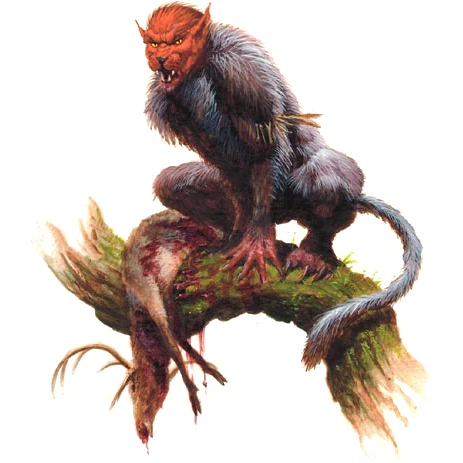
The Unknown were tribes of Lycanthropes that venerated Malar. In the Year of Wild Magic, 1372 DR, it was estimated that the total population was at least 3,000 individuals scattered across the forests of Faerûn in groups of fifty to one hundred.
Dogma
Malarites believed that it was an honor to Malar to make one's killing bloody and long. His followers sometimes formed in bands, called "Hunts". While forbidden to slay the young or the pregnant, Hunts typically followed his dogma and evoked wanton slaughter in Malar's name. They were opposed to the druidic concept of Balance, which they perceived as a threat to the savage rights of predators and hunters.
Holy Days
The High Hunt ritual was a vicious hunt in which a captured humanoid was released, and for the next day and night attempted to escape the prowling worshipers of the Beastlord. If they managed to survive, they won their freedom as well as, perhaps, other things.
The Feast of the Stags day made Malar's worship more tolerable in certain areas. For this event, all people were invited to partake of the bounty of the hunt, regardless of faith. At this time, priests of Malar chose some widows, orphans, elderly, or infirm citizens and promised to provide meat for their tables for the winter.
Notable Worshipers
Relics
The weapon known as the Claws of Malar was regarded as sacred and exclusive to his followers. Any outsider who wielded the Claws risked becoming the target of the next hunt, as Malarites considered such use a grave offense.