The Seen World
What people know, accept, and quietly speculate about
The world is called Āloka, a very old name that appears in hymns, marginal notes, and the titles of ruined observatories. Most translations render it as the seen world or the visible realm. To common folk, this is taken as a philosophical term. It means the world of living things, as opposed to the heavens or the afterlife.
Elders and scholars say the sky was once clearer. Not brighter, but sharper. Stars were more reliable. Distances were easier to judge. Ancient instruments were built with a confidence that now feels excessive. Today, the sky still works, but imperfectly. Light diffuses. Stars drift or vanish from charts. What once could be measured is now interpreted.
This change is usually attributed to the war of the gods. The official teaching is simple. The world survived, but it was diminished. Vision, like certainty, is no longer complete.
The Moon (Chandra)
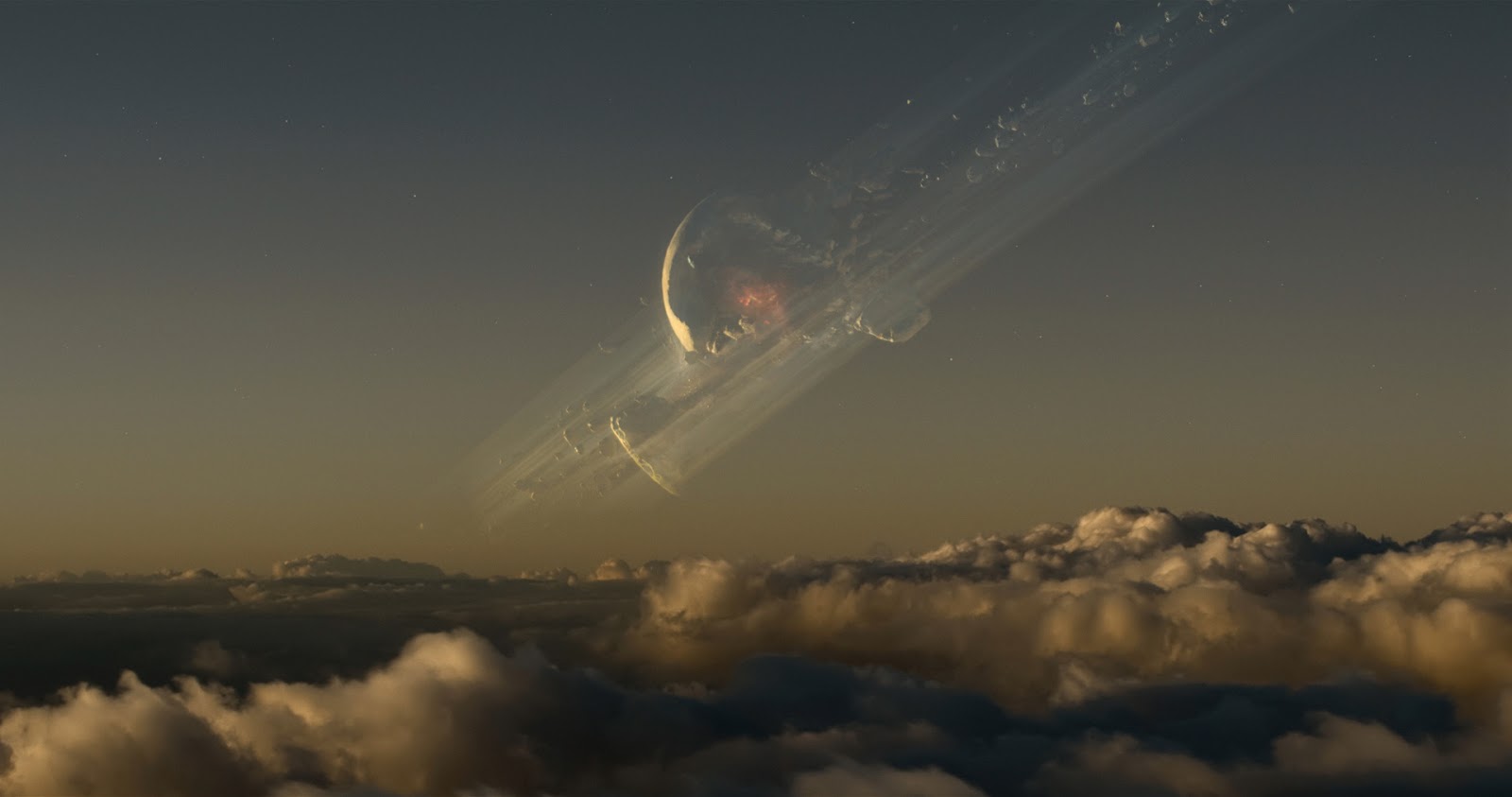
Old stories agree that Āloka once had a single moon named Chandra. It was destroyed during the god-war, but not erased. What remains is a broken congregation of fragments that still rises and sets where the moon once did. From the ground, these shards appear loosely gathered, a pale and uneven body that brightens and fades as its pieces catch the sun at different angles. A portion of the debris trails away into a faint arc across the sky, visible only on the clearest nights.
To most people, this broken moon feels familiar enough. It provides usable light. Shadows soften. Travelers can walk by night. Calendars still function, though monks argue endlessly about their drift. The sky looks wounded, but not empty.
There are rumors, of course.
Some say that on rare nights the fragments draw closer together, the broken moon appearing briefly whole. On those nights, distant things seem sharper, and old stone towers are said to “remember” how they were meant to point. Such stories are usually dismissed as exaggeration or omen-talk.
The world remains usable. That is what matters.