About
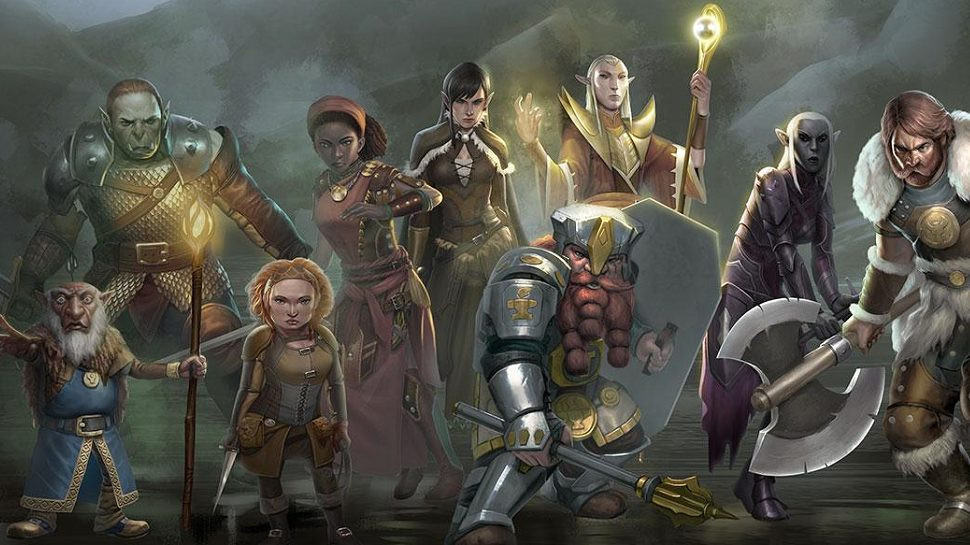
The races of Enochia are divided roughly divided in two categories. The Ancients trace their origins back to the First Age (see World History), while the Newbloods are those races that emerged with The Conflux.
Lifespans
Lifespans generally align with D&D canon, with a few key differences that affect demographics.
In Enochia, pregnancy duration for each race is approximately 1% of its average lifespan. For example, elves, who live up to 750 years, experience pregnancies lasting around 7.5 years, while dwarves with 400-year lifespans are pregnant for about 4 years.
This demographic impact is notable: shorter-lived races, with much shorter pregnancies, are more populous, while longer-lived races tend to be smaller in number and more cautious by nature, as they have more at stake in the long term.
Demographics
The Conflux had a profound effect on the demographic makeup of Enochia, reshaping population dynamics among the races. Elves and dwarves, in particular, struggled with the sudden changes and nearly faced extinction. Only in the last hundred years have they begun to recover. Below is an approximate demographic breakdown of Enochia's various playable races:
Humans: 45%
Humans have become the most populous race since the Conflux. Their adaptability, shorter lifespans, and high reproductive rates allowed them to flourish across Enochia, often stepping into roles previously held by ancient races.Halflings: 20%
Halflings thrive alongside humans, known for their cheerful resilience and resourcefulness. Many halfling communities are integrated with human settlements, which has helped their population remain stable.Dwarves: 10%
Dwarves, though hardy and enduring, face slow recovery due to long lifespans and slow reproduction rates. Their populations were heavily impacted by the Conflux and have yet to fully rebound.Elves: 5%
Once a prominent race, elves now struggle with extremely low numbers. The chaotic energies of the Conflux devastated their communities, and their long pregnancies have slowed population recovery, leaving them isolated and fragmented.Other Races (Exotic): 20%
This category includes races like Dragonborn, Tieflings, and Firbolgs, which either emerged during the Conflux or have long existed on the edges of Enochian society. Their populations vary based on local acceptance and cultural integration.
Note: This demographic breakdown does not account for non-playable races, such as giants, orcs, hobgoblins, goblins, kobolds, and other creatures inhabiting Enochia’s wild regions.
Shortcuts: