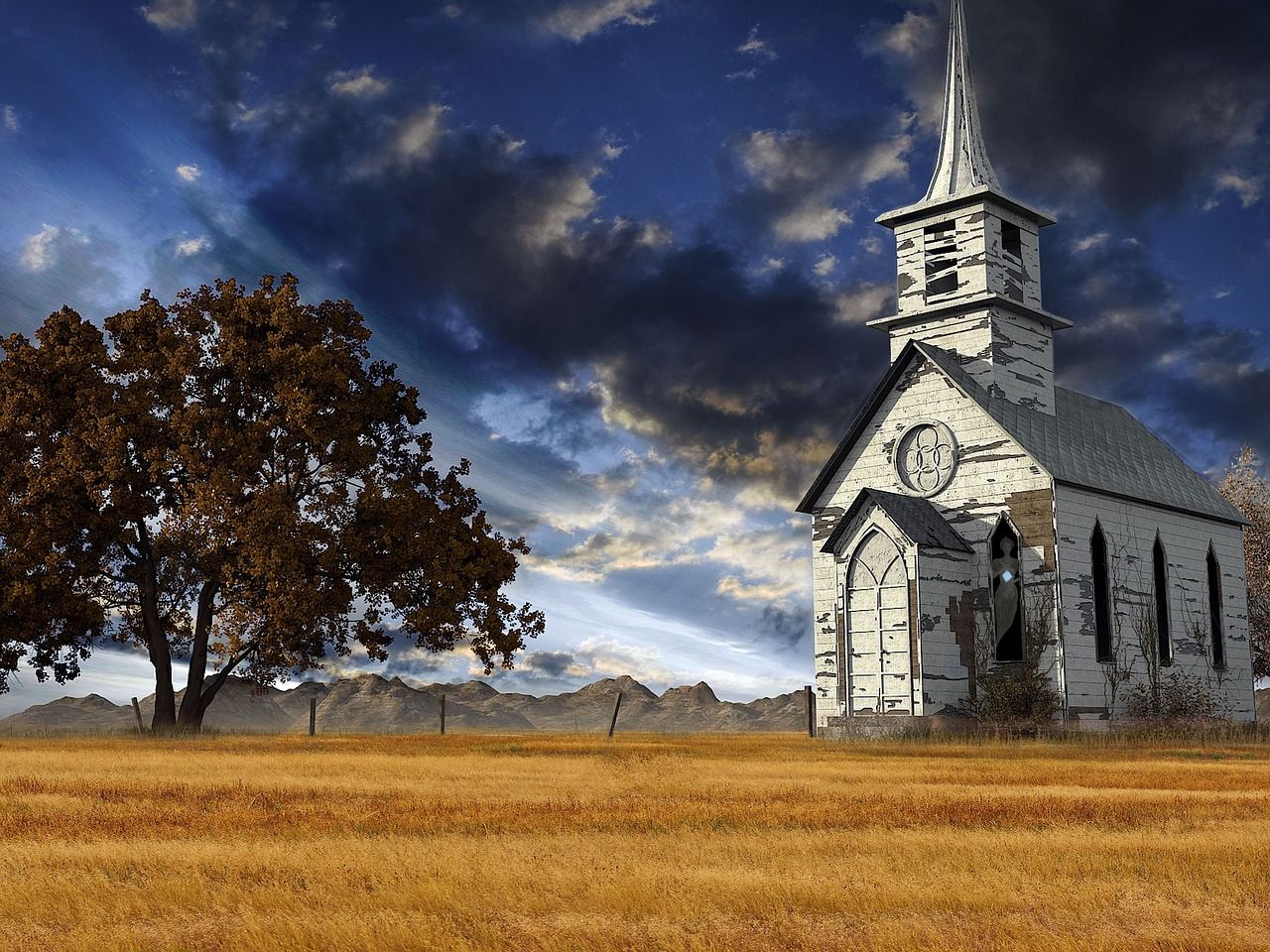
The worship of Ichindur is a monotheistic faith that worships a single deity known as Ichindur, who is associated with light and goodness. The religion emerged in response to the failure of the old gods to deliver the Edinian from the horrors of the demon wars, the corruption of King Rythar and the invasion of demons, it is being seen as the new way for the Edinians to turn towards a higher power for protection and guidance. The religion has a hierarchical clergy with ranks such as novice, priest, bishop, archbishop, and patriarch/matriarch, has a system of beliefs and practices centred around the worship of Ichindur and the pursuit of righteousness.
The religion has a number of practices that are central to its beliefs and ways of worship, such as prayer, sacraments, fasting, pilgrimages, and charitable works. The religion also believes in exclusivism, the idea that only the worship of Ichindur is true and that the worship of other gods is false and must be eliminated. As a result, the bishops and their military forces often use religious coercion, such as imprisonment or violence, to try to spread the faith and convert non-believers. Those who hold this belief may view the worship of other gods as a threat to the truth of their own religion and may see it as their duty to stamp out the worship of these false gods.
This belief is leading to conflicts and tensions between believers of this new religion and the older gods, each side viewing the other as being in error with Ichindurs believers seeking to convert or suppress those who do not share their beliefs.
The bishops in the religion of Ichindur in the world of Eleria are using their military forces to try to spread their faith and expand their domain by forcing non-believers to convert or face punishment. This type of behavior, known as religious coercion, is the use of force or intimidation to try to persuade others to adopt a particular religion or set of beliefs. It can take many forms, such as imprisonment, torture, or even death for those who refuse to convert.
Slowly, this religion is taking over in Edinian spheres as the people either believe through renewed faith or fear of the consequences. As it spreads it is starting to attempt to cross the boundaries of current Edinian influence into the old territories of pre war Edin and beyond.
Practices
- Prayer: This is a central part of the religion, with individuals praying at set times of the day or in specific places, such as temples or shrines.
- Sacraments: Sacraments, which are special ceremonies or rites that are believed to have spiritual significance. Examples of sacraments include baptism, confirmation, and communion.
- Fasting: Fasting, or abstaining from food or certain types of food for a period of time, are a part of the religion's practices as a way to demonstrate devotion or humility.
- Pilgrimages: To the holy site of the patriarchs first vision a place of special significance that believers are encouraged to visit as part of their faith. Making a pilgrimage to this site is considered a way to show devotion and gain spiritual benefits.
- Charitable works: There is a strong emphasis on helping others and followers are encouraged to engage in charitable works, such as giving to the poor or volunteering their time to help those in need, of course while converting those helped.
Festivals
- The Feast of Ichindur: This is the most important festival of the religion, it is celebrated on the anniversary of the revelation of Ichindur to the Edinians on the 03-03-3000(The arrival of Ichindur). During this festival, followers gather to give thanks to Ichindur, participate in communal prayer and fasting, and perform charitable acts.
- The Feast of the Holy Light: This festival is celebrated on the day of the Battle of the Ardum Plains, when the armies of Fallin pushed back the demon hordes to the portal to send them home. Many worshippers credit Ichindur with providing the strength for this battle and celebrate the return of the light and the triumph of goodness over darkness, it often involves rituals such as lighting candles, singing hymns, and lighting pyres to show people the way to Ichindur.
- The Feast of the Divine Word: This festival would celebrate the revelation of Ichindur's teachings and the spread of his word. It would likely involve sermons, processions, and the reading of scripture. It takes place at the turning of a new year.
- The Feast of the Martyrs: This festival would honour those who have given their lives for the faith, including those who have been killed for their beliefs or for trying to convert others to the religion. It would likely involve prayers, fasting, and special services in honour of the martyrs. This feast is held at the end of the summer as it moves to autumn.
Sacred
- Ichindur: The deity itself would be considered the most sacred thing in the religion, and the bishops would likely view any actions or practices that show devotion to Ichindur as sacred.
- The clergy: The bishops would likely view the clergy, especially those of higher ranks, as holy and sacred figures who are closest to Ichindur and have been chosen to lead the faithful.
- Religious texts: Holy texts such as the scripture, hymns and religious teachings are considered sacred and considered as the word of Ichindur.
- Religious symbols: Objects and places that are related to the religion such as icons, churches, and other sacred spaces are considered sacred and be treated with reverence.
- Religious rituals: The bishops view religious rituals such as prayer, fasting, sacraments, and other forms of worship as sacred and necessary for connecting with Ichindur.
- The followers of the faith: Believers are considered sacred and are to be treated with respect as they are considered to be the chosen ones of Ichindur.
Profane
- Worship of other gods or deities: As the religion of Ichindur is based on the belief in one true god, the bishops view any worship of other gods or deities as a form of blasphemy and a direct violation of the faith.
- Disobedience to the clergy: The bishops view disobedience to the clergy as a form of rebellion against the will of Ichindur and would consider it a profane act.
- Failure to observe religious practices: The bishops view failure to observe religious practices, such as prayer, fasting, and sacraments, as a form of neglect of one's duty to Ichindur and consider it a profane act.
- Disrespect for holy places and objects: The bishops view any disrespect for holy places and objects, such as churches, icons, or holy texts, as a form of desecration and would consider it a profane act.
Structure
- Novice: This rank is for individuals who are just beginning their training as members of the clergy. Novices are responsible for learning about the beliefs and practices of the religion and assisting more senior members of the clergy with their duties.
- Priest: Priests are responsible for leading religious services, administering sacraments, and providing spiritual guidance to the community. They are also responsible for managing a parish or overseeing the spiritual needs of a specific group of people within a set area.
- Bishop: Bishops are responsible for overseeing a larger geographical area, such as a diocese or province. They have authority over multiple priests and are responsible for ensuring that the teachings and practices of the religion are upheld within their jurisdiction. They have at their command forces to aid with their devotions.
- Archbishop: An archbishop are at the top of the church there is one for each sect within the church and several others elected from the bishops for overseeing other bishops/priests and novices. They also have a role in the broader governance of the religion and are involved in making decisions about its direction and policies.
- Patriarch/Matriarch: The highest rank in the clergy is the patriarch, who is responsible for leading and guiding the entire religion. This individual has ultimate authority over all aspects of the religion and is considered the spiritual leader of the community.
The current Patriarch is Harvey Emondstone, the founder of the church of Ichindur.
While any class can be a member of the church, they are generally restricted to:
- Monks - have a close affinity with Ichindur, their concern for knowledge and the lore of Ichindur means many serve as gatherers and preachers of knowledge. Many act as librarians and keepers of stories telling of wonders and miracles performed by Ichindur in the world.
- Likely Class is Rogue
- Suggested Talents - Unknown, unarmed combat, quick reflexes
- Suggested Specialisations - Martial Artist
- Approved Arcana - Fire
- Forbidden Arcana - Death, Shadow
- Additional info - Monks get access to the weapon group staves.
- Clerics - Have a strong belief in the strength of spirit that is inherent in everything Ichindur has dominion over, they are healers and defenders of the faith and work side by side with their peers to progress the church of Ichindur.
- Likely Class is Mage
- Suggested Talents - Unknown, Herbalism
- Suggested Specialisations - Miracle Worker, Soulbound
- Approved Arcana - Healing, Fire
- Forbidden Arcana - Death, Shadow
- Additional info -Clerics get access to the weapon group Bludgeon
- Zealots -individuals who are extremely dedicated to their cause and are often willing to go to great lengths to promote their beliefs and defend them from perceived threats.
- Likely class is Any
- Suggested Talents - Unknown,
- Suggested Specialisations - Arcane Dabbler, Soulbound
- Approved Arcana - Fire
- Forbidden Arcana - Death, Shadow
- Additional info - Zealots get access to the Fire Arcana Focus
- Paladins -are the defenders of the faith, upholding services and fighting all that is unholy in the world. They are the churches army and can be called upon to strike down those who oppose the church of Ichindur.
- Likely Class is Warrior
- Suggested Talents - Unknown
- Suggested Specialisations - Paladin, Guardian, Arcane Dabbler
- Approved Arcana - Fire, Protection, Heroic
- Forbidden Arcana - Death, Shadow
- Additional info - Gets the Religious Lore (Intelligence) focus
A note on Zealots -
Zealots are individuals who are extremely dedicated to their cause and are often willing to go to great lengths to promote their beliefs and defend them from perceived threats. In the context of the religion of Ichindur on the world of Eleria, they might exhibit a number of behaviors that reflect their extreme devotion to the religion. Some possible behaviors that zealots might exhibit include:
- Proselytizing: Zealots are very enthusiastic about spreading the teachings of their religion and may attempt to convert others to their faith. They may engage in evangelism or missionary work in an effort to bring more people into the fold.
- Defending their beliefs: Zealots are very passionate about their beliefs and are quick to defend them against perceived threats or challenges. They may argue vehemently in favor of their beliefs and may become upset or agitated if they feel that their beliefs are being challenged or questioned
- Demonizing opponents: Zealots may view those who do not share their beliefs as threats or enemies and may portray them in a negative light. They may engage in demonization, or the act of portraying someone or something as evil or undesirable, in an effort to discredit or marginalize opposing viewpoints.
- Seeking martyrdom: In extreme cases, zealots are willing to sacrifice their own lives in pursuit of their beliefs. They may see suffering or death as a way to prove their devotion or to serve as an example to others.
It is important to note that not all believers in the religion of Ichindur may exhibit these behaviors, and it is possible for individuals to be deeply devoted to their faith without becoming zealots. However, zealots are more likely to engage in these types of behaviors as a result of their extreme commitment to their beliefs.
Word count: 1,884