Etymology:
enter
Translations:
AES:
enter
Other:
enter
Desantya is the land west of Rukanya, characterized by its many wars over dominion of the entire realm. It was eventually reunited by the kingdom of Alvareon. It has a similar geography to Germany.
Desantya is a mainly flag region, crisscrossed with rivers that supply its agriculture and peasants with water.
(Continental) Humid Continental (Dfa/b), (Temperate) Oceanic (Cfb/c)
Biome:
Temperate Broadleaf, Temperate Coniferous

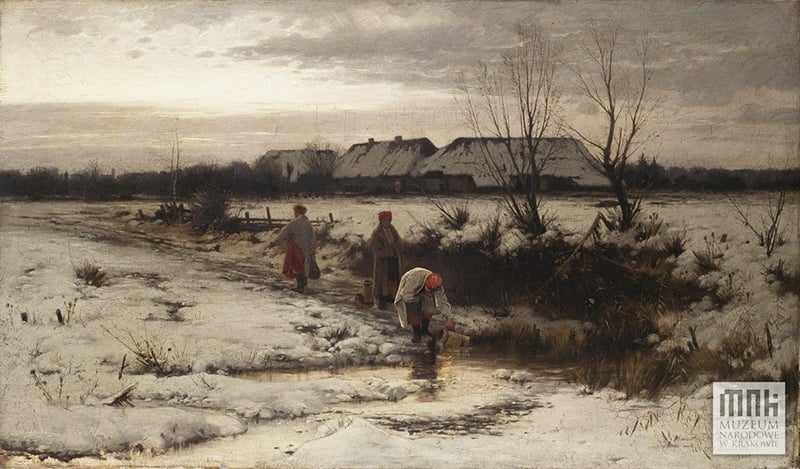
Winter Season
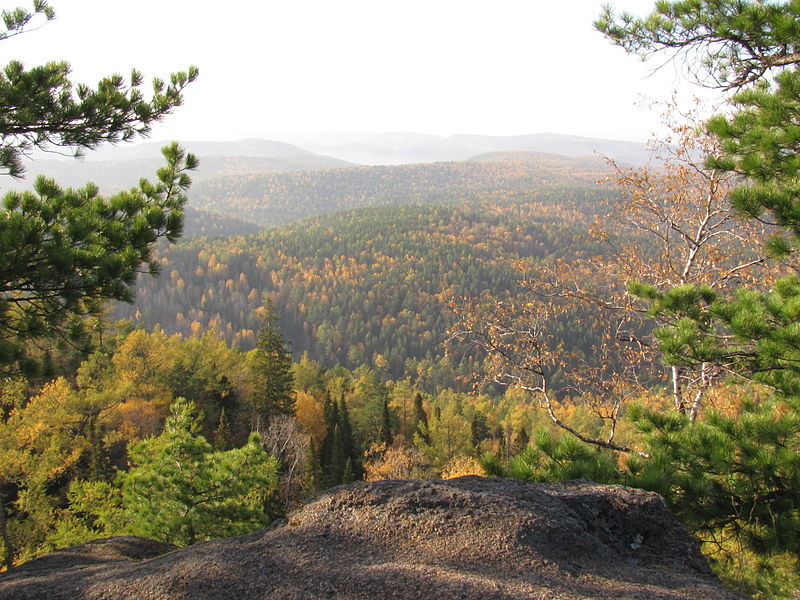
Summer Season
In both the biomes of this region, the climate is marked by warm, productive summers and cold, sometimes long winters. This seasonal rhythm dictated the agricultural cycle. Farmers would cultivate short-season crops like barley, rye, oats, and hardy wheat during the summer, while animal husbandry, as well as the storage of surplus produce—became critical to surviving the winter months. The necessity to adapt to a brief growing season and to plan for harsh winters also impacted building practices; structures were often built thick and sturdy, with steep roofs to shed snow. This climate-driven lifestyle is reminiscent of regions in medieval Eastern and Central Europe, such as parts of Poland or Bohemia.
Medieval populations in such kingdoms were relatively sparse by modern standards. The kingdom would be divided into a network of rural manors and villages, each typically hosting anywhere from a few dozen to a few hundred inhabitants. The population centers—market towns or fortified cities—might number in the low thousands at their peak. The social structure was feudal: a monarch or high noble presided over a system where local lords controlled estates, and peasants (or serfs) worked the land. Towns, while small, would be bustling centers of trade, craft, and local government, with minor urban centers having well-defined market days and local guilds.
The economy in such a kingdom was predominantly agrarian. The manorial system formed the backbone of economic life: local lords managed large estates worked on by serfs, with the produce of these estates supporting both local needs and trade. Markets and fairs in larger towns became the lifeblood for exchanging not only food and raw materials but also crafts and innovations. Trade routes—often following river valleys or connecting key urban centers—facilitated external commerce, sometimes linking the kingdom to larger empires or neighboring regions.
Feudal obligations structured society; local lords pledged military and fiscal support to the monarch in exchange for land and titles. This reciprocal relationship ensured that, even during times of external threat or internal dissent, there was a structured chain of command. Defensive architecture, such as fortified castles and walled towns, emerged to protect these communities during a period prone to local conflicts, raids, and the ever-present challenges of a harsh climate.
Enter
The area of Desantya has a population of around 5 Million across its many kingdoms.
enter
enter
enter