

CALENDARS
On Hârn and on the continent of Lythia, the Tuzyn Calendar is used. It reckons dates from the founding of the Melderyn. Dates in Tuzyn Reckoning are indicated by the notation “TR” before or after the year. Years prior to the founding of Melderyn are indicated by “BT” which stands for Before Tuzyn. Some traditional and orthodox greatclans of Ivinia still call the days and months by the names of old as indicated in the calendar below.
Tuzyn (too-zin) Reckoning was devised by the court astronomer Tuzyn Melderyn in 130 TR. He backdated the calendar to the founding of Melderyn by Erebir Pendragon. The calendar is in use in most parts of Lythia, and is standard throughout Hârn, though the Sindarin, Khuzdul, and various barbaric tribes as well as conservative clans of Ivinia have their own calendars. Besides its civil use, most, not all, churches and its clergy also use the Tuzyn Calendar as their own ecclesiastical calendars for the purposes of keeping records, dating church correspondence, the scheduling of high ceremonies.
The current year is 720 "TR" or "Tuzyn Reckoning", years starting before
this event are marked as “BT” or “Before Tuzyn Reckoning”.
Months and Days
Tuzyn Reckoning is a lunar calendar derived from the
orbit of Yael (the Moon) (the Moon). The year is 360 days long and divided into twelve lunar months of 30 days. A day is 24 hours long. A full moon Yaelah (Full Moon) occurs on the fifteenth of each month and a new
moon Yaelmor (New Moon) on the thirtieth. The year begins with the vernal
equinox, the first day of Spring. The month names are of religious origin. Tuzyn Reckoning does not measure time in weeks. A tenday
(three per month) is a common convenience, and a Hinyael (fifteen
days) is used occasionally. A day has 24 hours, divided into 60 minutes
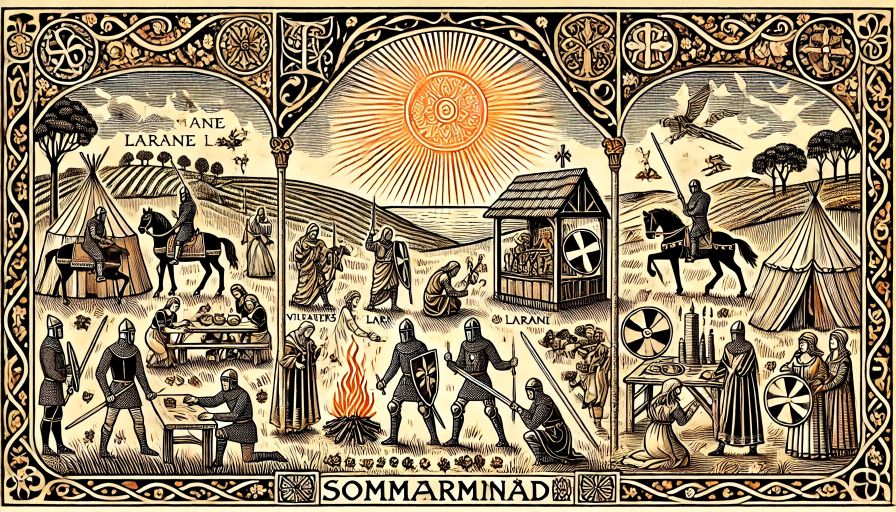
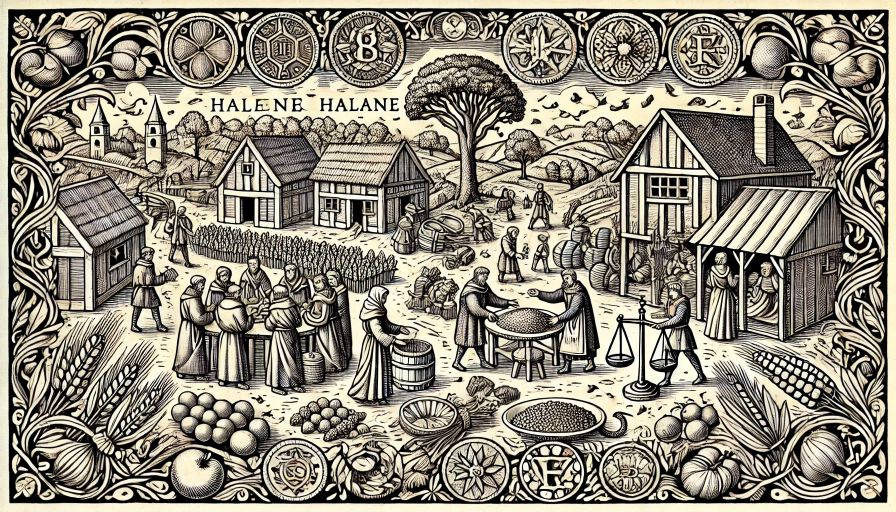
of 60 seconds each. Most folk identify days numerically, such as Halane
23 or Morgat 12.
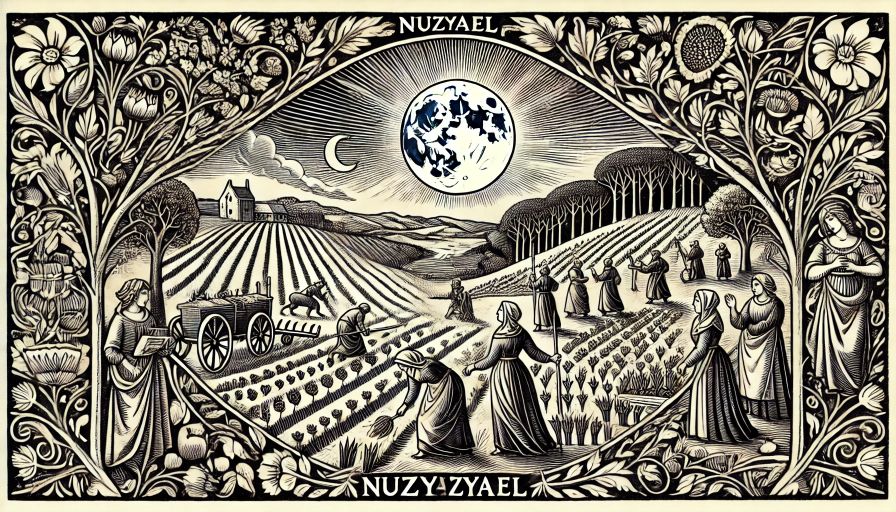
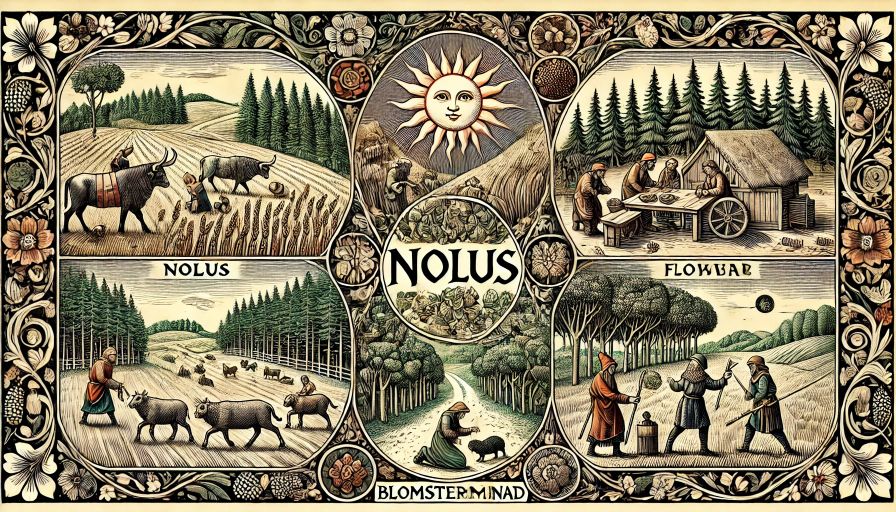
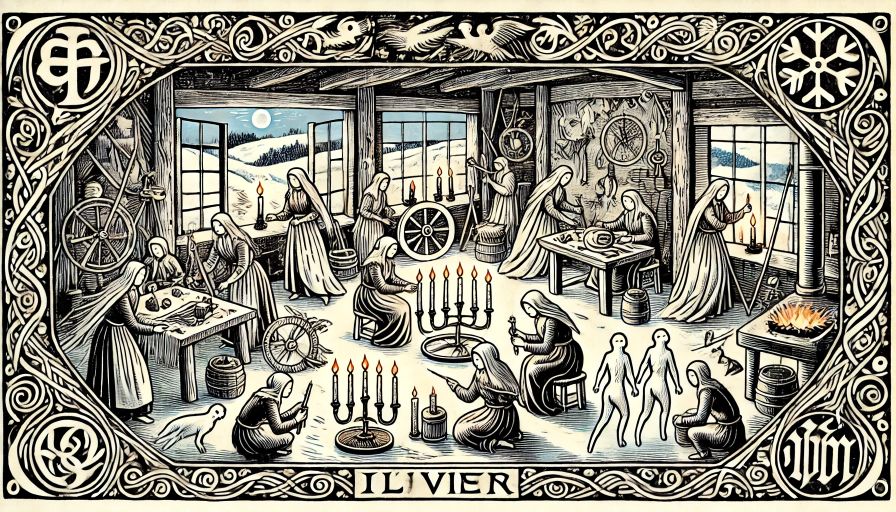
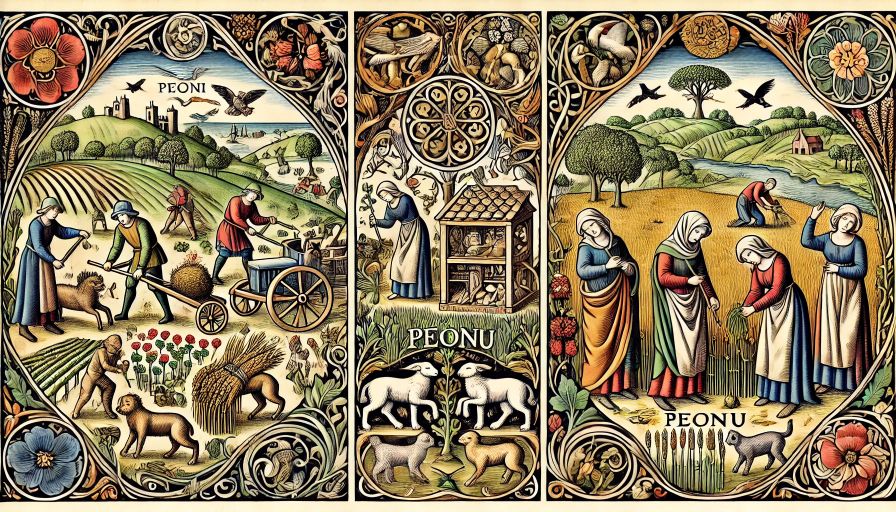
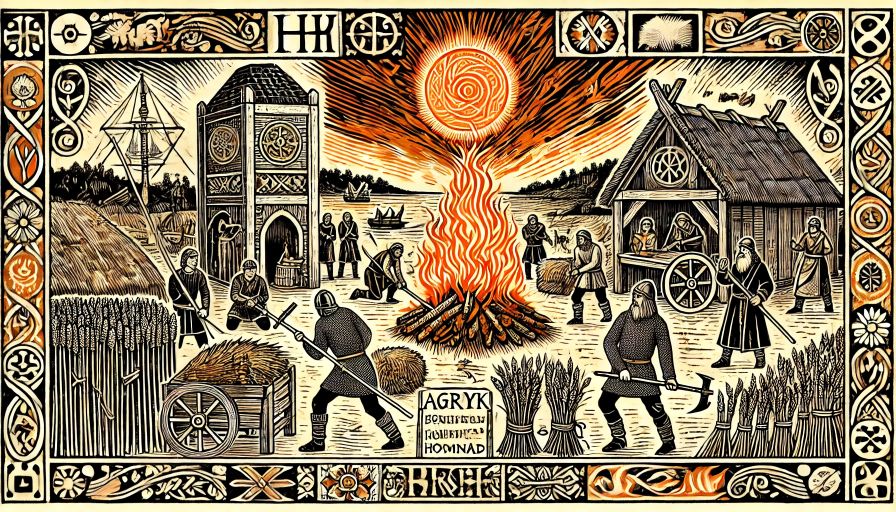
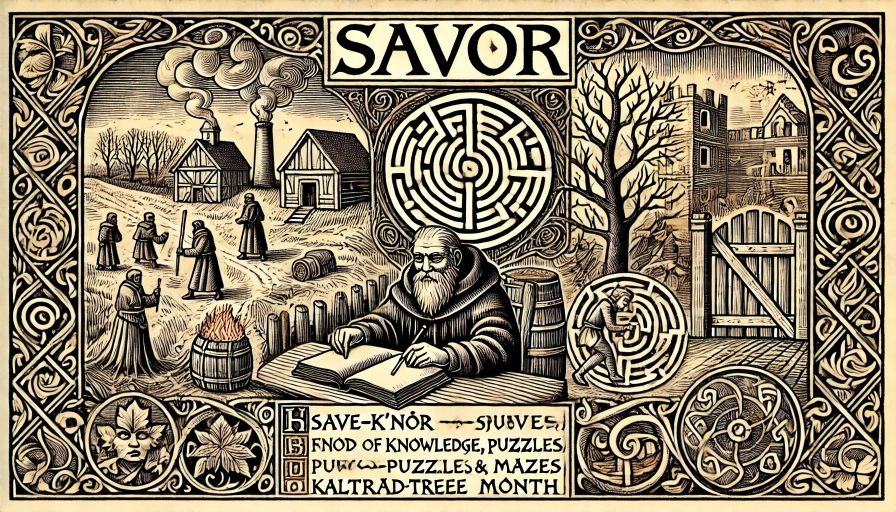
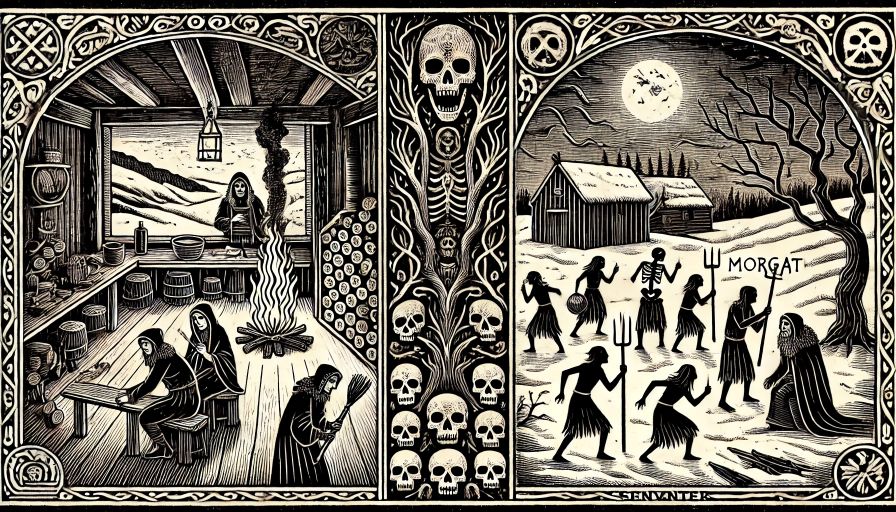
MONTHS OF THE TUZYN CALENDAR
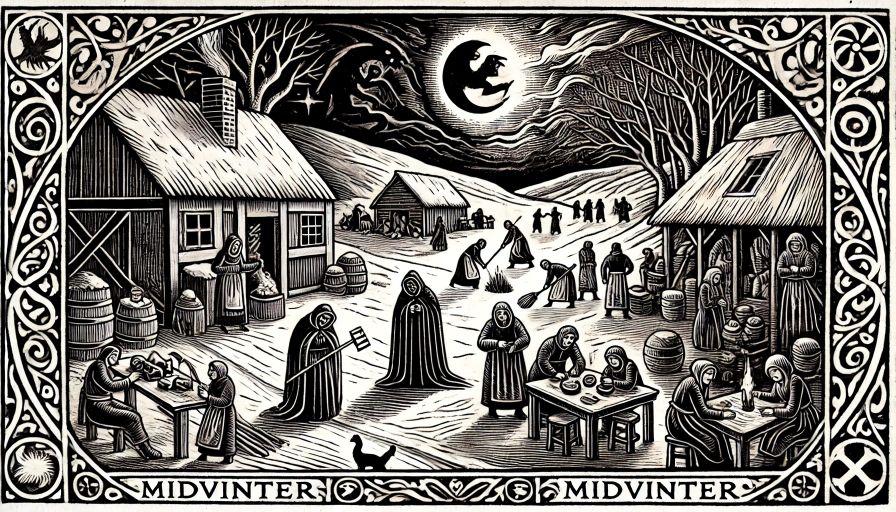
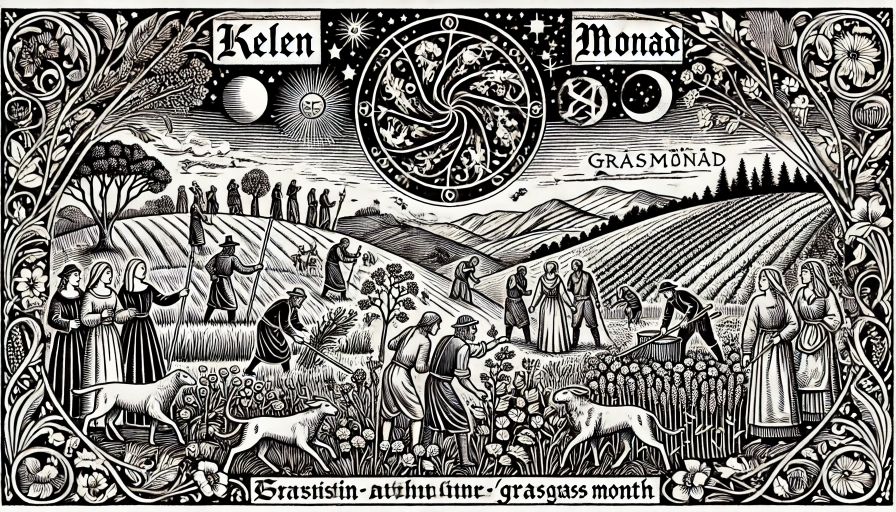
| Spring | Summer | Autumn | Winter |
1. Nuzyael
| 4. Nolus
| 7. Azura
| 10. Ilvin
|
2. Peonu
| 5. Larane
| 8. Halane
| 11. Navek
|
3. Kelen
| 6. Agrazhar
| 9. Savor
| 12. Morgat
|

Dating Conventions
Dates “Before Tuzyn” always have the BT convention. Dates after 1TR often omit the TR. If a date is written with neither TR or BT, TR is assumed. Naturally, BT usage does not apply to ancient texts themselves. A scroll that purports to be from the fifth century BT, which actually contains a date written as 459 BT, cannot be authentic.