
Blood Rituals
Prerequisite: Spellcasting or Pact Magic Feature, 4th level
- You can cast ritual spells that are on your spell list by expending and taking damage equal to one Hit Die per level of the ritual. Blood Rituals allows you to cast rituals that you may otherwise not been able to cast.
- Whenever you cast a ritual spell that requires a material component, you can instead use blood, draining the living vital essence of creatures to power the magic in a unique way. Expensive material components may be replaced, with each additional hit die sacrificed in this manner able to replace up to 100 gp of material components (for example, to replace a diamond worth 500 gold, 5 hit die would have to be expended in this manner)
Blood magic is linked to ancient elemental and primal powers. The earliest known practitioners of blood magic were the ancient ogre kingdoms and their allies. Blood magic is intricately tied to the elder primal powers of life and death. Powerful in its scope and applicability, blood magic could be considered neutral in regards to good and evil, except for the corrupting effect of power and the tendency for it’s wielders to use the blood of others in their rituals.
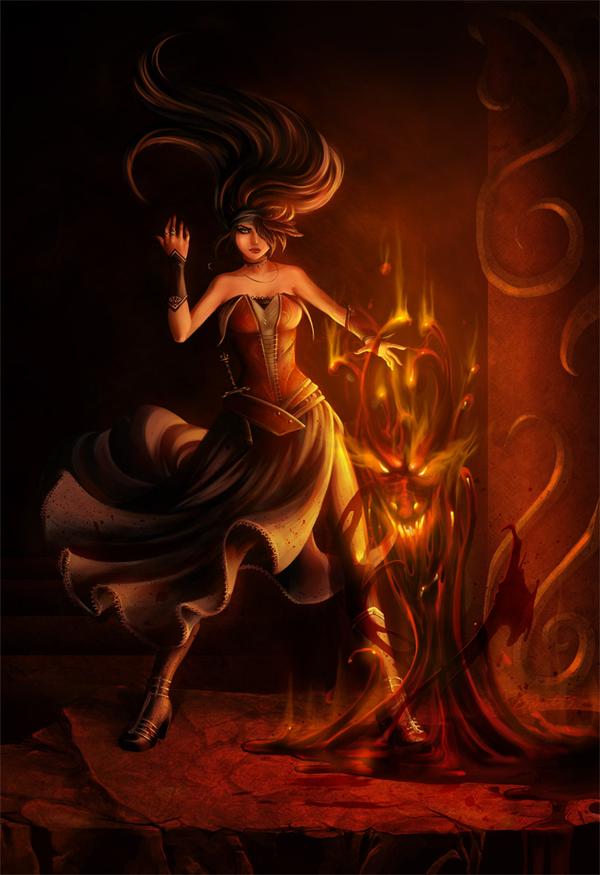
When you cast a blood magic spell, you take damage equal to the blood required for the spell, which you can draw as part of casting the spell (no additional action required). This blood must come from you, unless you have features or feats that allow you to use other sources of blood to power your magic. If you cast a Blood Magic spell at a higher level, the minimum hit points increases to the level the spell is cast at. You cannot spend more hit points than you have this way.
Because of their affinity with the power of life in it’s primal aspect, some blood magic wielders can cast spells from the druid list, and eventually gain the power to change form as a druid.
Blood Magic Feats
Bloodcraft
Prerequisite: 4th level, Spellcasting or Pact Magic feature
- You gain access to the Blood Magic spell list.
- Once per turn when you roll damage for a spell you cast using a spell slot, you can siphon your life energy into the spell and empower it. Roll a number of your unexpended Hit Point Dice, up to a number equal to half the level of spell slot expended (round up, minimum of one die), and add the total rolled to one damage roll of the spell. Those Hit Point Dice are then expended.
- Life Steal. Instead of drawing on your own life force when you use this feature, you can try to steal life from another creature you can see within 30 feet of yourself. That creature makes a Constitution saving throw against your spell save DC; creatures that have Immunity to the Exhaustion condition automatically succeed on the save. On a failed save, in place of rolling your Hit Point Dice, roll a number of the creature’s unexpended Hit Point Dice, up to a number equal to half the level of slot expended (round down, minimum of one die); you then add that total rolled to one damage roll of the spell, and those Hit Point Dice are expended for the creature. Once a creature fails its save against Life Steal, you can’t use Life Steal again until you finish a Short or Long Rest.
- You can expend Hit Dice to create spell slots, as if a sorcerer using spell points.
Blood Ward
Prerequisite: Bloodcraft
- Blood Ward. When you take a Bonus Action to transform Hit Dice into a spell slot, you can wreathe your body in a protective web of defiling energy. Roll a number of d6s equal to the level of spell slot created. You gain Temporary Hit Points equal to the total rolled. These Hit Points can be used for Blood Magic spell costs.
- If a creature hits you with a melee attack roll while you have Temporary Hit Points, the creature takes Necrotic or Poison damage (your choice) equal to your Charisma modifier.
- Strengthened Rot. Damage dealt by your Sorcerer spells and Sorcerer features ignores Resistance to Necrotic and Poison damage.
Side effects of blood magic (maho):
Whenever a character draws upon the core power of blood magic (expend a hd for an effect), they must make a DC 10 + Corruption Score Wisdom saving throw. On a successful save, the character can draw upon blood magic without any physical or spiritual consequence, although their reputation might suffer if the act is witnessed.
On a failed save, the character gains a +1 to their corruption score. A character has a corruption score of 0 (not afflicted), 1-4 (mild affliction), 5-7 (moderate affliction) 8-9 (severe affliction) and 10 (totally corrupted).
Upon reaching one of the afflicted categories (mild, moderate, severe) the DM will roll on the appropriate table for that level.
Healing the Corruption:
A lesser restoration spell can reduce a character’s corruption level by 1, a greater restoration reduces it by 3, while a wish, or similar spell can completely remove a character’s corruption score. Although a character's score may be reduced to zero, they are forever considered corrupted.
A calm emotions spell can suppress the effects of madness, while a lesser restoration spell can rid a character of a short-term or long-term madness. Depending on the source of the madness, remove curse or dispel evil might also prove effective. A greater restoration spell or more powerful magic is required to rid a character of indefinite madness. Physical corruption is harder to remove, requiring a regeneration spell or better.