Etymology:
enter
Translations:
AES:
enter
Other:
enter
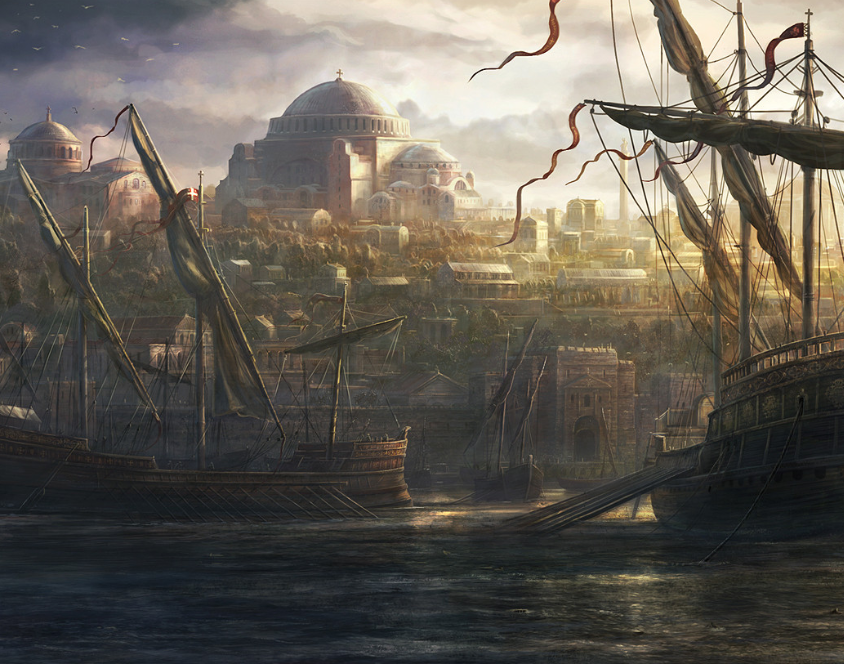
Turon, the illustrious capital of Praktorva Turonya, stands as a testament to the grandeur of an empire that once dominated vast territories. Before it was known as Sakalorya, the city was called Filisia, a radiant capital of the Faerie kingdom of Ainadelm. Centuries ago, Filisia stood as a beacon of magic, beauty, and harmony, the heart of the Faerie realm and the seat of the Faerie High King. This city has witnessed the rise and fall of imperial powers, leaving behind a legacy of splendor and resilience. Although its empires have fragmented into numerous kingdoms, Sakalorya remains a beacon of commerce, culture, and naval supremacy.
Turon, with its rich history, architectural splendor, and strategic importance, continues to shine as the radiant capital of the Praktorva Sakaloryaŝi Thatixav (The Ethedyan Empire of the Living God). Despite the fragmentation of the empire, the city remains a center of commerce, culture, and naval power, embodying the resilience and grandeur of a bygone era. Turon stands as a testament to the enduring spirit of its people and their unwavering commitment to preserving their heritage and legacy.
Filisia was a city of breathtaking beauty and ethereal architecture. The buildings were crafted from smooth white rocks from the famous white cliffs of and enchanted stones that glowed softly with an inner light. Towers and spires reached towards the sky, adorned with intricate carvings and flowing, organic designs that seemed to grow naturally from the earth. The city was interwoven with lush gardens and sacred groves, where flowers bloomed in perpetual spring and trees bore fruits of every color imaginable. The city was famous for its giant grand temples and palaces used as sanctuaries and places of worship, reflection, and communal gatherings, celebrating the Faeries' deep connection to Dhia, Túlewendiel.
Filisia was renowned for its vast repositories of arcane knowledge. Libraries filled with ancient tomes and scrolls documented the history, spells, and wisdom of the Faerie people. Scholars and magicians from across the realm came to study and add to this collective knowledge. The city was alive with art and music, reflecting the Faeries' creativity and joy. Streets and plazas were adorned with sculptures, murals, and mosaics, while the air was filled with the enchanting melodies of faerie harps and flutes.
The city was rebuilt by the Illustrian men who conquered it around c.50 FA, after the area was vacated by the Fomoiri of Eskabar. Sakalorya is strategically situated on a peninsula that juts into a vast, azure sea. Its harbors are well-protected by natural formations and fortified walls, making it an ideal location for maritime trade and defense. The city is encircled by multiple massive stone walls, built over many centuries to withstand invasions and protect its citizens. These walls are adorned with watchtowers and battlements, providing both a defensive stronghold and a symbol of the city's enduring strength.
Sakalorya's architecture is a blend of Byzantine grandeur and classical elegance. The city is dotted with magnificent structures, including palaces, churches, and public buildings, all featuring intricate mosaics, domes, and arches. The imperial palace is a sprawling complex of opulent halls, serene courtyards, and lush gardens. It serves as the residence of the ruling monarch and the administrative heart of the city. Sakalorya's markets are a hive of activity, with traders from across the known world converging to buy and sell goods. The air is filled with the vibrant sounds of haggling, the clinking of coins, and the rich aromas of spices and exotic foods.The city's strategic location makes it a pivotal hub for trade routes linking the East and West. Ships laden with silk, spices, precious metals, and other goods dock at Sakalorya's bustling harbors, fueling the city's economy and wealth.
The city is also dominated by many military building and defences built over the many centuries and wars fought over this magnificent city. Three large walls surround the inner city, while a smaller wall surrounds the rest of the outer city. Its port is guarded by many fortresses and towers as well as water walls. Sakalorya's navy is the strongest in the world, renowned for its formidable warships and skilled sailors. The city's shipyards are constantly bustling with activity, building and maintaining a fleet that protects the empire's maritime interests. The Naval Academy of Sakalorya is a prestigious institution where the best and brightest are trained in the art of seafaring and naval warfare. Graduates of the academy are known for their strategic acumen and bravery. There are no other cities in Érennía that come close to the shipbuilding quality of Sakalorya
 Above: A map of Sakalorya during the year **** EM, 380 years from the fragmentation of the great Praktorva Turonya
Filisia

The Great War of Merciless Slaughter was a dark and devastating conflict that tore through the Faerie realm. Invading forces sought to conquer and destroy, driven by envy and fear of the Faeries' power and beauty. Filisia, the jewel of the Faerie kingdom, became a battleground. The city's defenses, though formidable, could not withstand the relentless assault. Towers crumbled, gardens were scorched, and the palace of the High King was reduced to ruins. The Faeries fought valiantly to protect their home, but the onslaught was merciless. The streets ran red with blood, and the air was filled with the cries of the dying. In the end, the Faeries were overwhelmed, and Filisia fell, its beauty shattered and its inhabitants slain. Only small parts of the city remained while other parts were burned to the ground or destroyed by the great dragons and Great Fomoiri of the enemy armies.
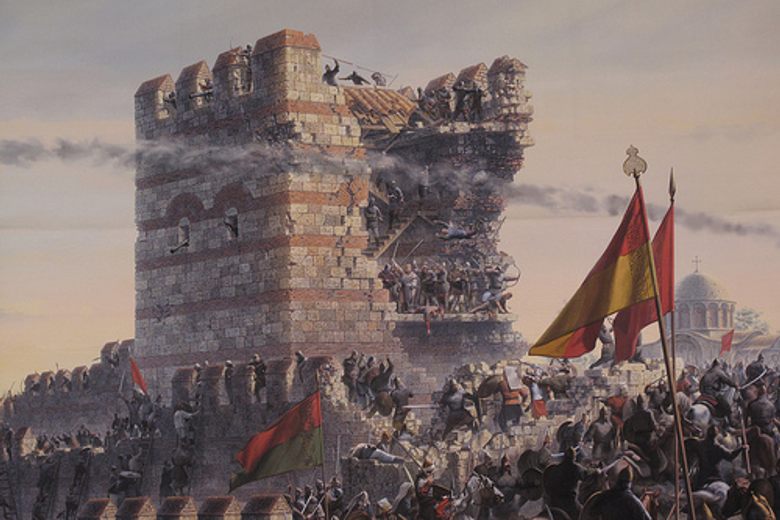 Above: The ruins of Filisia stood as a haunting reminder of what was lost. Over time, new inhabitants settled in the area, building upon the remnants of the old city. The magical essence of the Faeries lingered in the land, influencing the development of the new city.

 Above: As the Sakaloryan Empire rose to power, the city was reborn as Sakalorya. Though the Faerie magic had faded, the city retained an air of mystery and enchantment. Sakalorya grew to become a center of commerce, trade, and naval power, honoring the memory of its ancient past while forging a new future.
Filisia housed the grand palace of the Faerie High King, a magnificent structure at the heart of the city. The palace was a marvel of enchanted beauty, with walls that shimmered like water and halls that echoed with ancient songs of magic and lore.
 Above: Council of the high king of the Faeries Edár.
Sakalorya is a cultural melting pot, with influences from various regions and peoples who have passed through or settled in the city. This diversity is reflected in the city's cuisine, festivals, and artistic expressions. A grand arena where chariot races, public ceremonies, and theatrical performances are held, the Hippodrome is a central gathering place for citizens and visitors alike. It serves as a symbol of the city's cultural vitality and love for entertainment. The city boasts numerous libraries and schools, preserving and advancing knowledge in various fields such as philosophy, medicine, and the arts. Scholars from across the empire come to Sakalorya to study and contribute to its intellectual legacy.
Sakalorya's population has evolved rapidly during its history as the capitol of an immense empire. After Sakalorya's collapse, the cities population shrunk to about 200,000 by the year 100DE, and had grown to 300,000 by 500DE.
enter
enter
enter