Vala awakens on Simril of 1470.
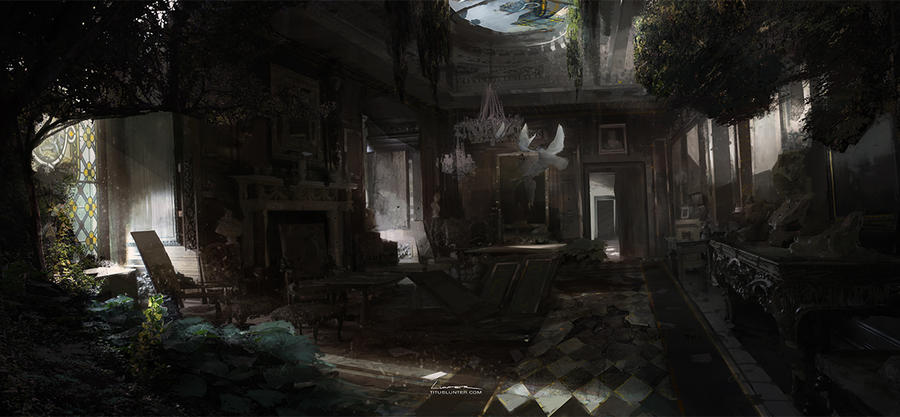
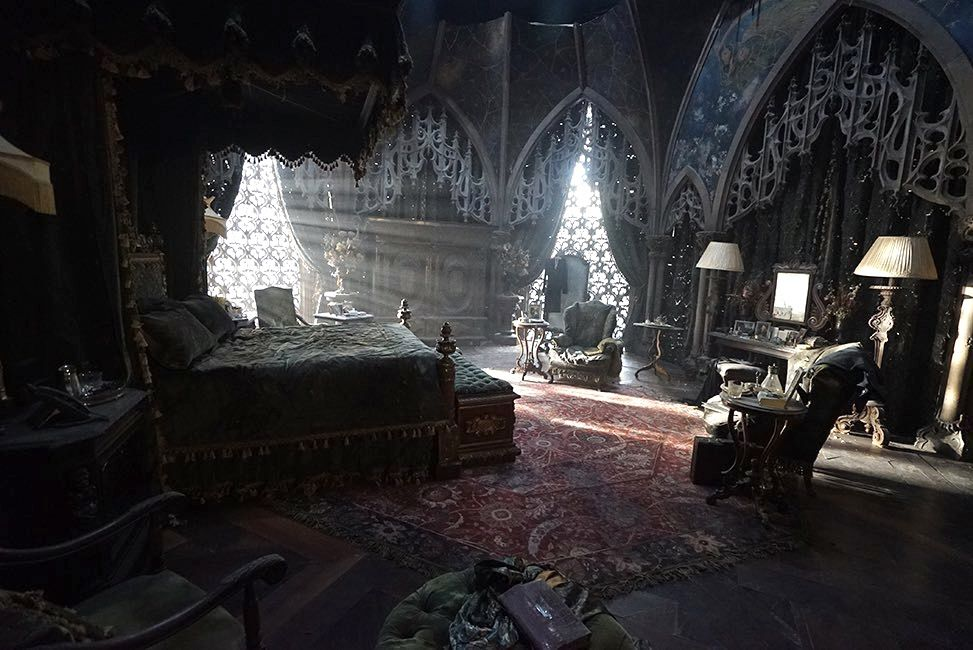
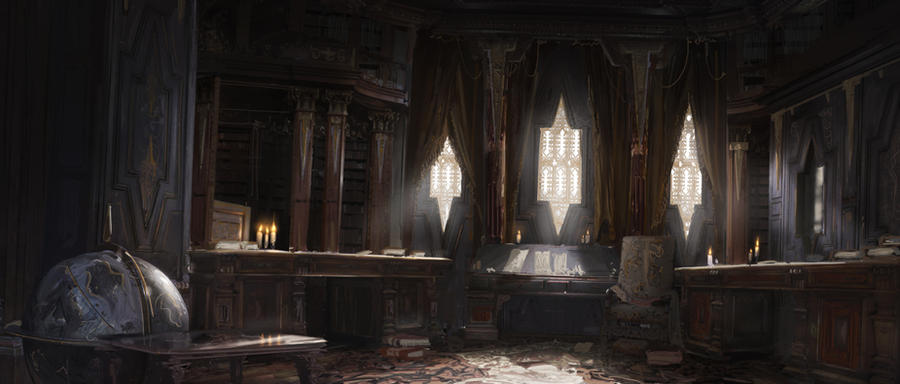
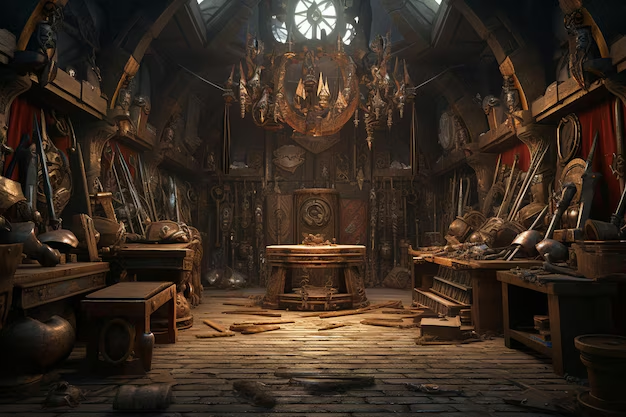
Her bedroom and adjoining alchemy study still stand, magically reinforced, held together by magic and stubborn will. Whole chunks of stone are missing from the outer walls, the gaps bridged only by Edda’s wards, stretched thin but unbroken. In the center of the room, several chests of basic provisions sit abandoned atop a rug gone soft with moth damage and time. Everything bears the quiet rot of years spent sleeping while the world moved on without her.
The only entrance—or exit—from her safe rooms is a concealed door in the study, opening onto what was once the courtyard garden. It has collapsed into ruin, choked with broken stone and overrun by her grandmere’s poppies. She can see the sky through broken arches and fallen walls, but cannot determine how to pass beyond them.
She spends the remainder of Nightal, and all of Hammer after it, trying to escape. She tests the wards. She searches for hidden mechanisms. She prays. She practices what magic she still commands, and when all that fails, she prays again. She attempts, again and again, to force a vision, any vision, but the Sight does not answer. When her magic didn't answer, she turned instead to her mind, and pulled tomes from her bookshelves that chronicle the building of Neverwinter's finest cathedrals, recreating the pulleys and fulcrums she read about to dig herself out.
Weeks slip by as she works the rubble out of place, inch by inch. Her supplies dwindle, and worry settles in her chest like a second heart. Then, without warning or ceremony, the last stone lurches and rolls out of place.
She does not wait for it to change its mind.
Bundling herself into the plainest clothes she can find, Vala slips out into the city, only to discover it is Midwinter, and that her beloved home, and much of the city around it, has been broken nearly beyond recognition.