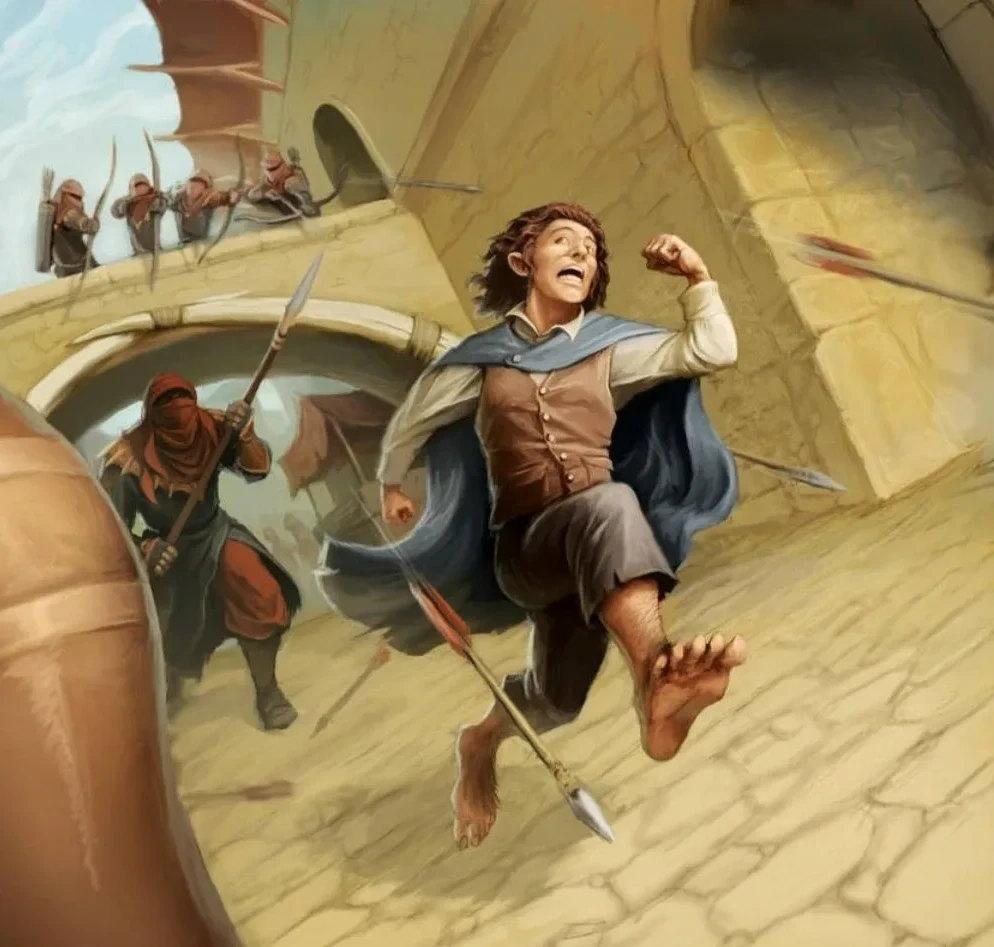
"Mortalborn", or "mortalkind", categorized a variety of creatures whom shared common features. There was no exact definition or qualification on what creatures were considered mortalborn, beyond that they somewhat resembled the Giant-kin of the Pre-Unified Age. Most typically stood between two to eight feet tall and possessed two arms, two legs, and walked upright. They varied widely in terms of size, lifespan, and features, and were generally capable of using tools and weapons. Some had innate Spellcasting abilities, though access to such magic was typically an uncommon trait.
Mortalborn typically defined themselves by their sapience and intelligence, but this also varied widely; there was no exact qualifier for what were considered "intelligent", as many other creatures possessed acuity equal to them. In general, however, these creatures tended to think alike. Even the likes of Crowfolk who lacked creativity or Lizardfolk who possessed an "alien" logic still shared some similar understandings of the world, at least when compared to the network intelligence of Myconids or the divine insights of Angels and Devils.
Many Elf and Dwarf scholars, typically of older lineages, referred to these creatres as "free peoples" or as "smallfolk", terms defined by the giants who once ruled the Head of the Greatwyrm. Most Human scholars considered the vast majority of smallfolk to be "humanoid", including Crossborn and Otherborn, which other lineages took exception to. In this view, major exception to "humanoids" were the "goblinoid" lineage, such as Goblins, Hobgoblins, and Bobgoblins; however, this distinction was more colloquial than scientific.
More in-depth information on the smallfolk of Somnum can be found here.